PL
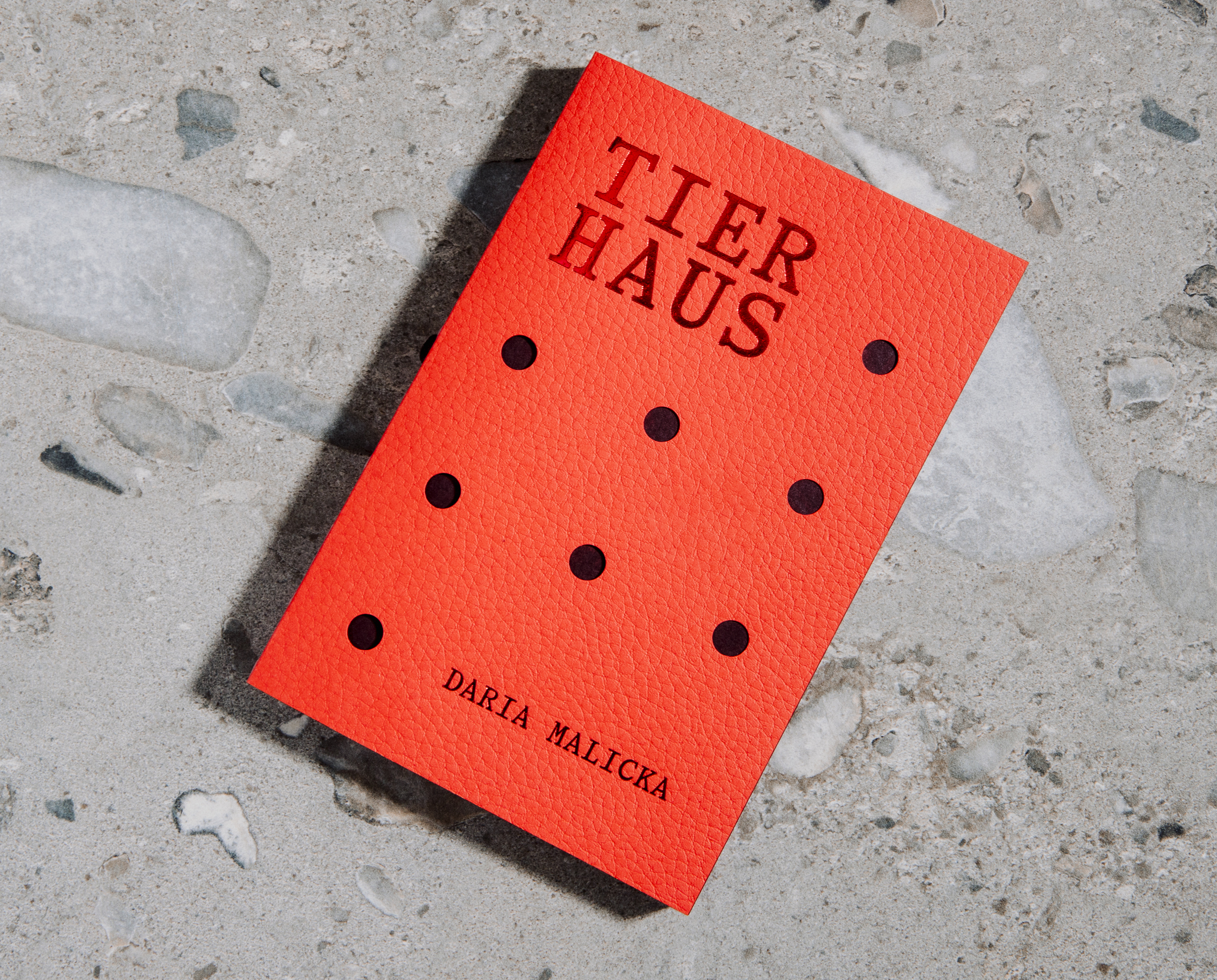
Tierhaus
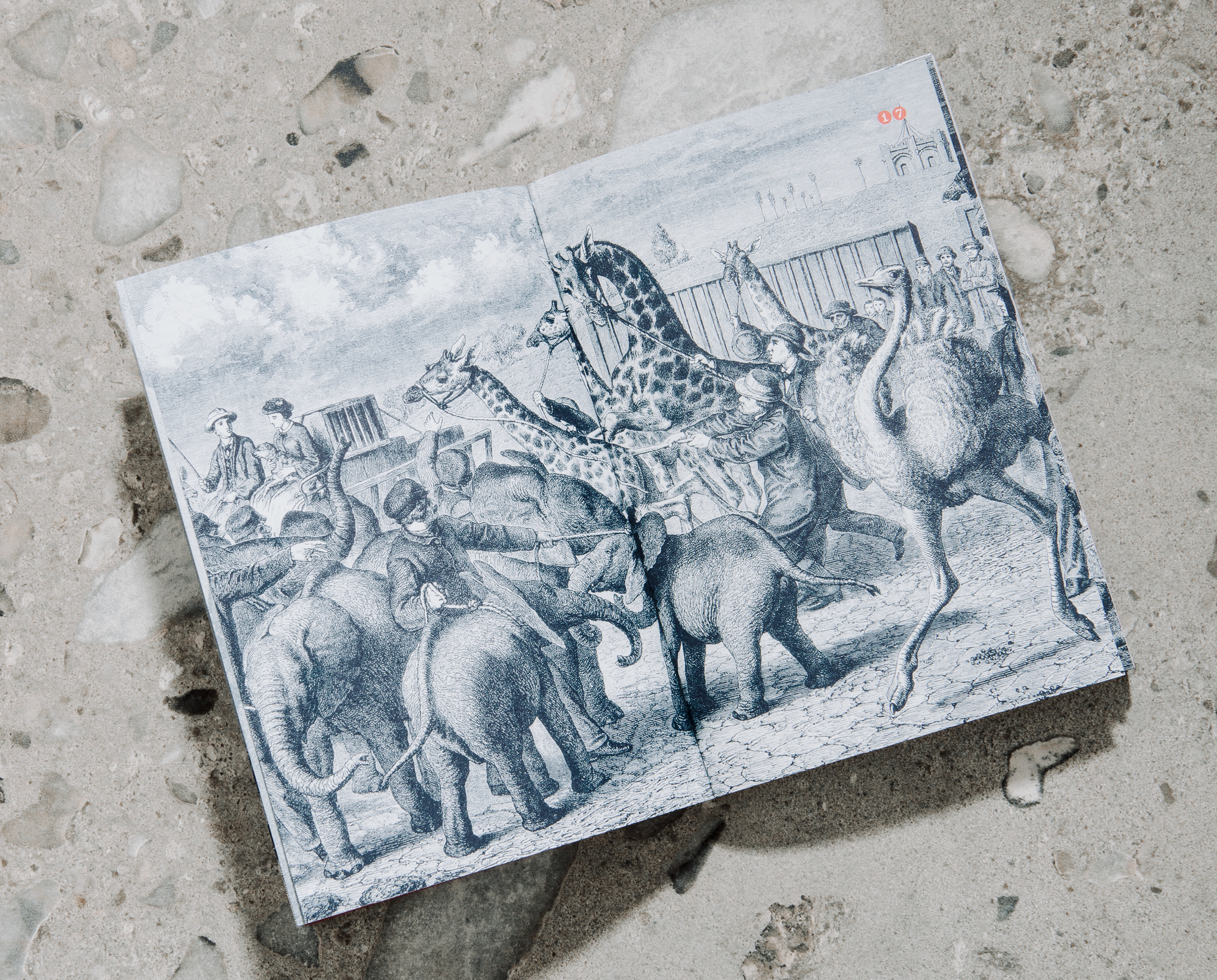
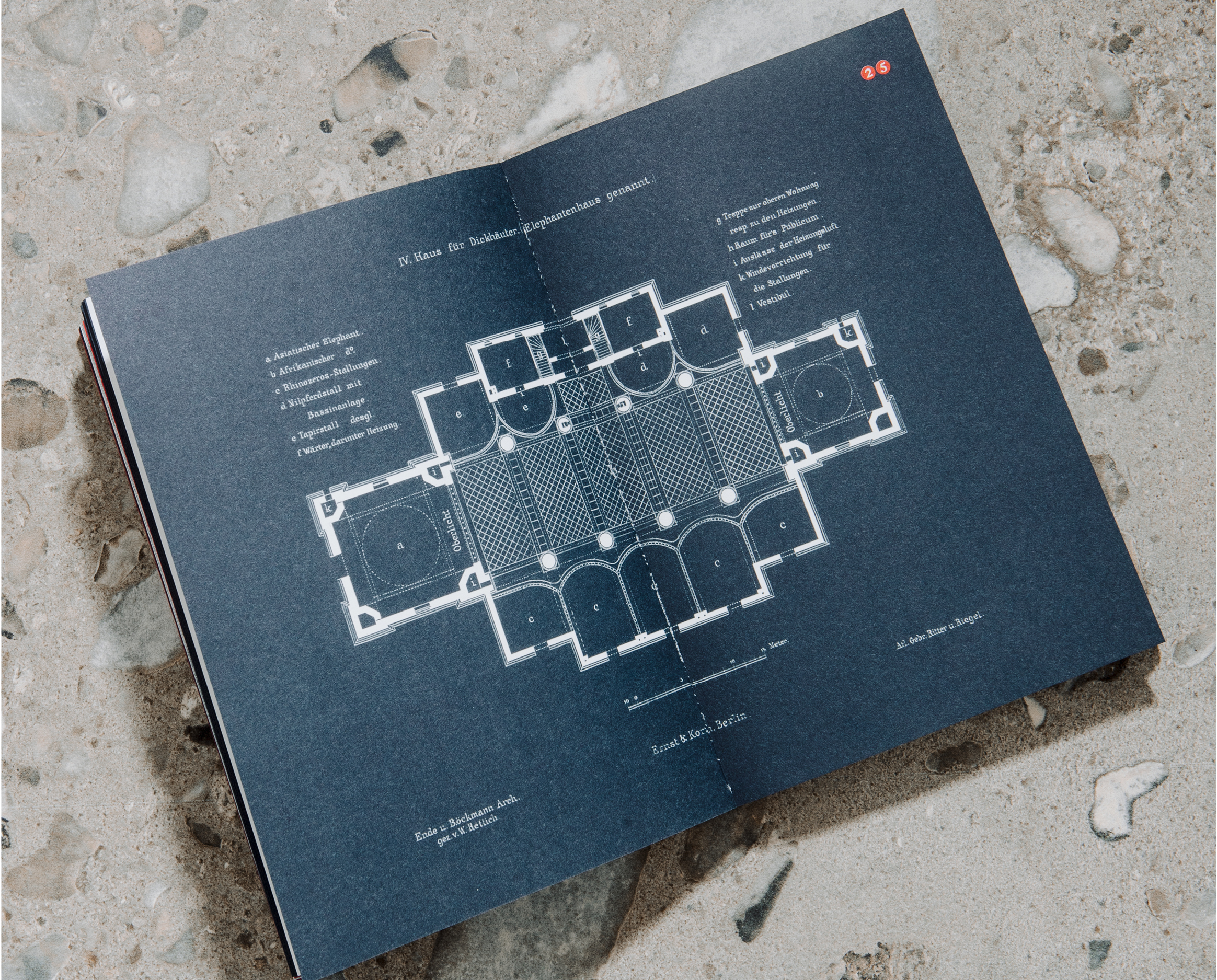
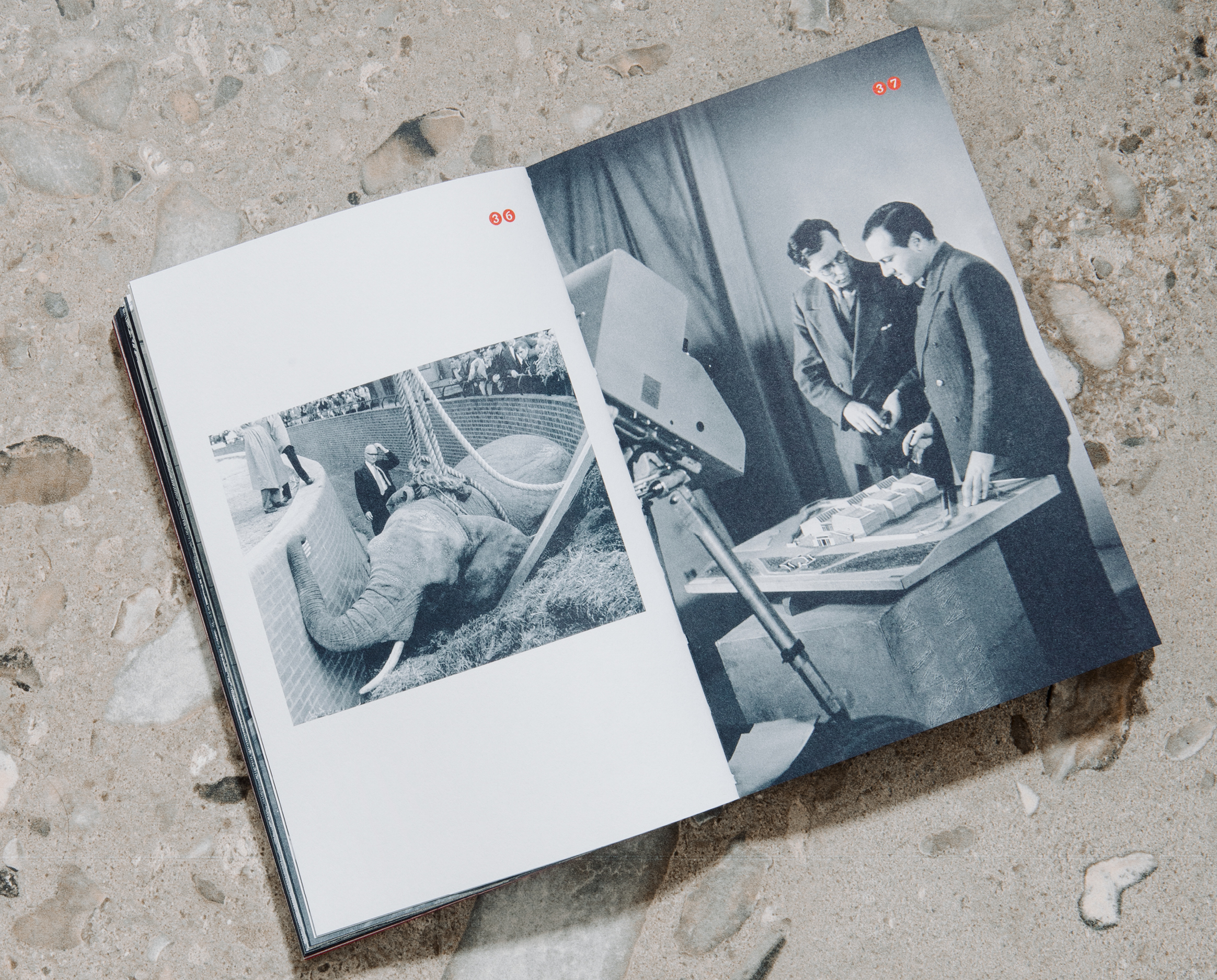
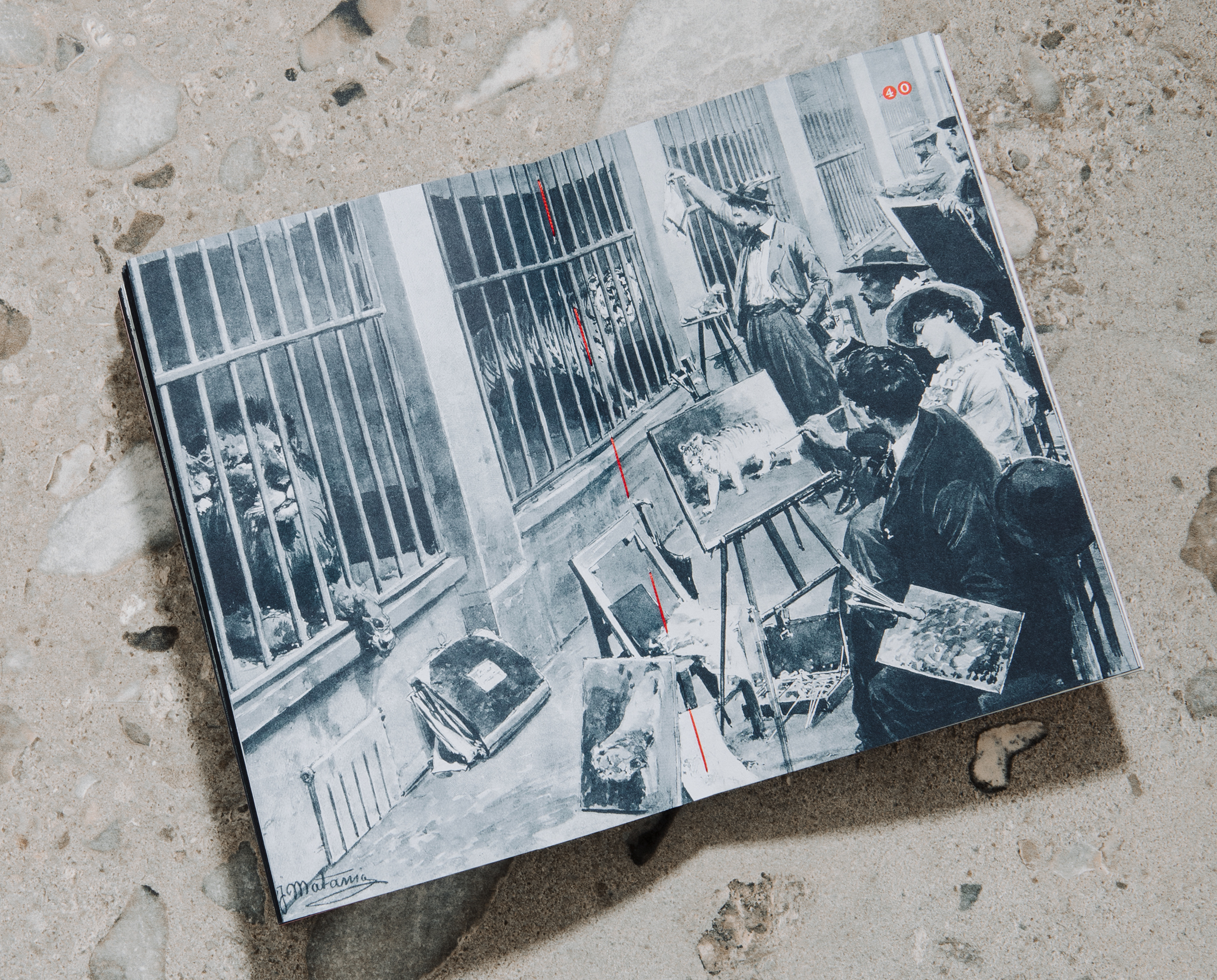
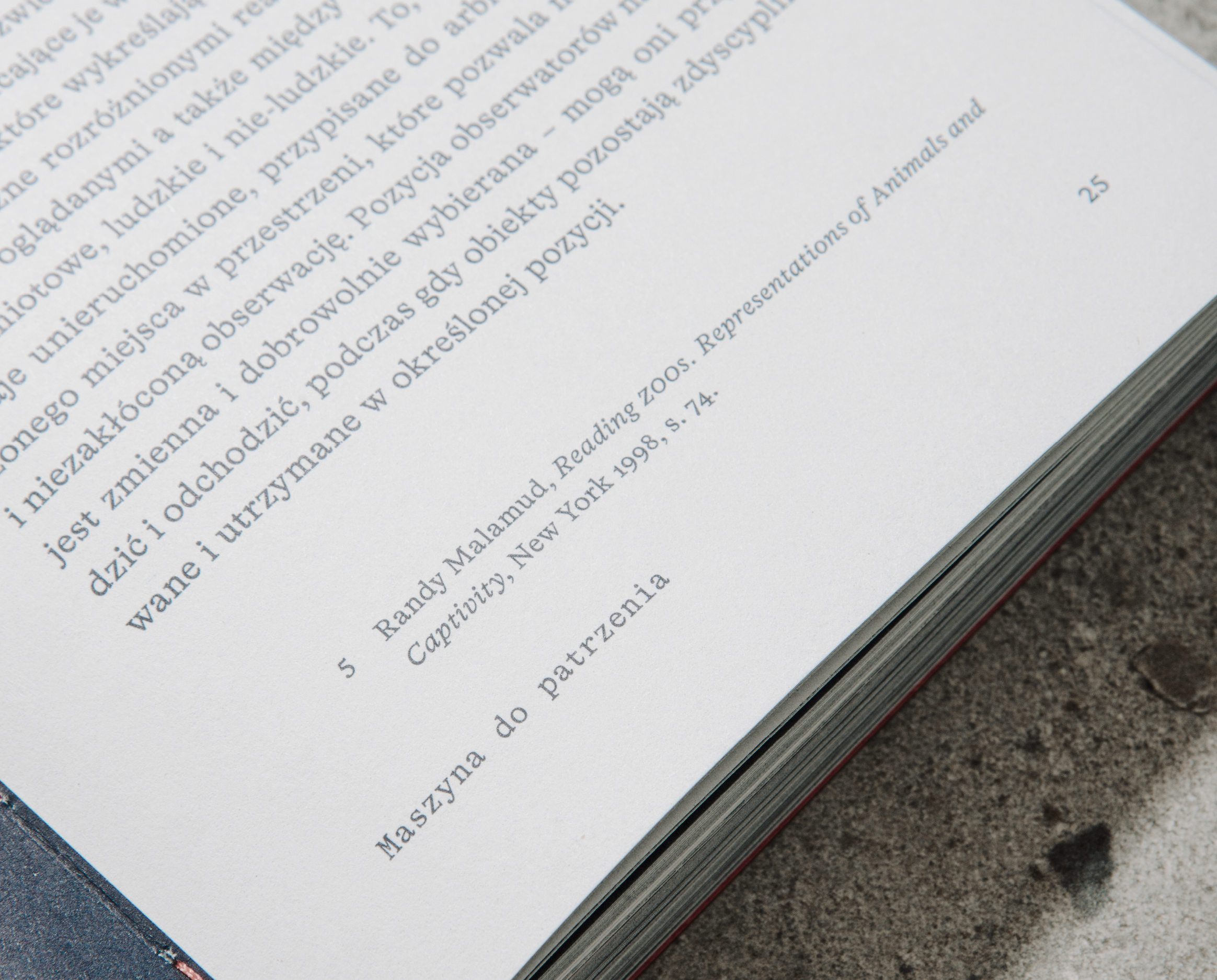
Tierhaus opowiada o ogrodach zoologicznych jako o „maszynie do patrzenia” – urządzeniu umożliwiającym spotkanie człowieka ze zwierzęciem „oko w oko” w precyzyjnie zaprojektowanych przestrzeniach widzialności i władzy, działających w ramach systemu kontroli, dystansu i segregacji. Każdy gatunek zamieszkujący ZOO ma przypisane miejsce: wybieg lub pawilon, zwyczajowo nazywany „domem” – Dom Antylop (Antilopenhaus), Dom Słoni (Elefantenhaus), Dom Strusi (Straußenhaus)…
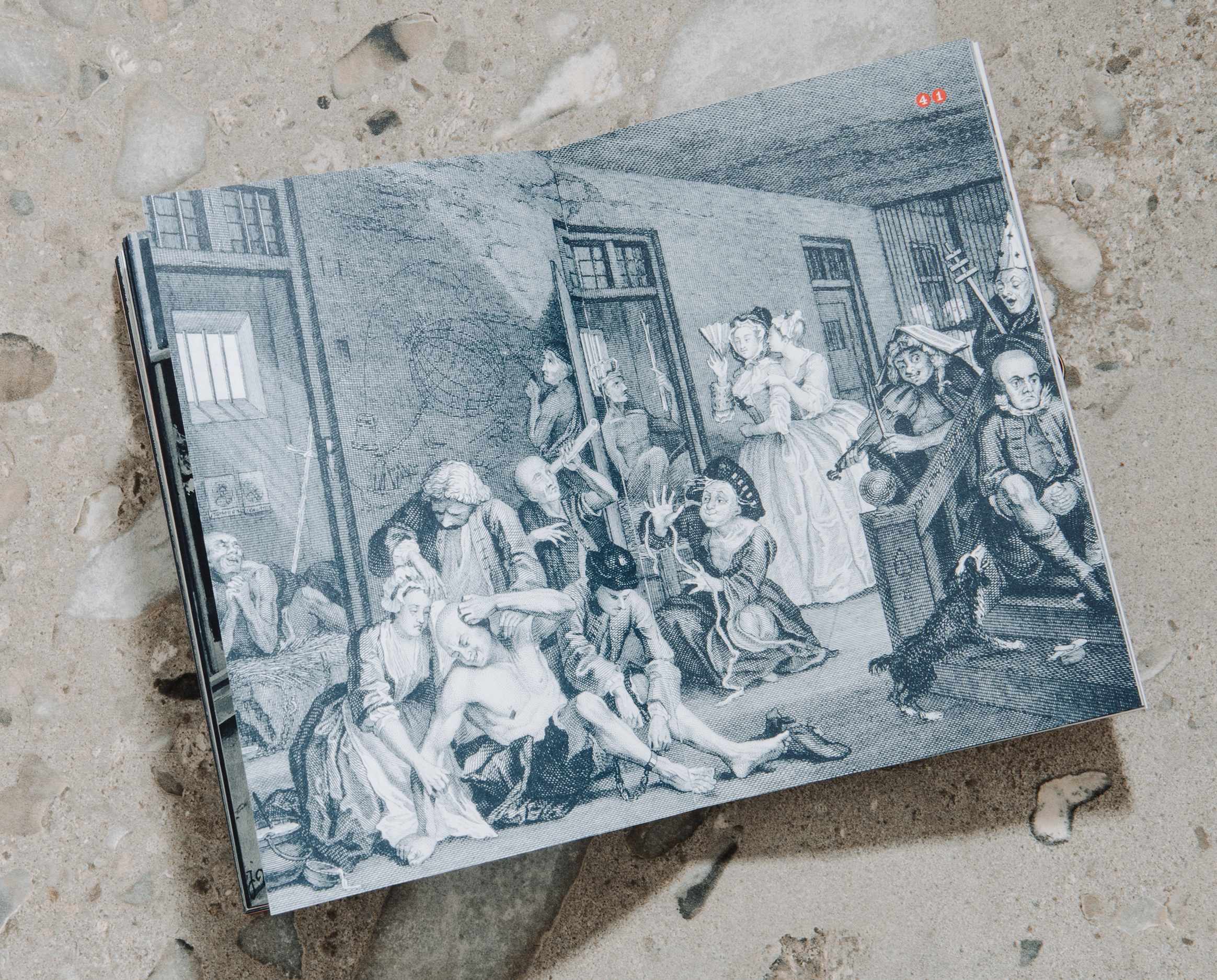
Tytuł Tierhaus (niem. „Dom Zwierząt”) odwołuje się do języka architektury ogrodów zoologicznych, ujawniając gest antropomorfizacji: zwierzęta otrzymują symboliczne „domy” w ludzkiej wyobraźni. Książka pokazuje, w jaki sposób kultura wizualna i materialna nieustannie kompensuje niemożność pełnego poznania zwierzęcej natury, wpisując ją w ludzkie narracje oraz porządki wiedzy.
Koncepcja edytorska, teksty, projekt graficzny i skład: Daria Malicka
EN
Tierhaus
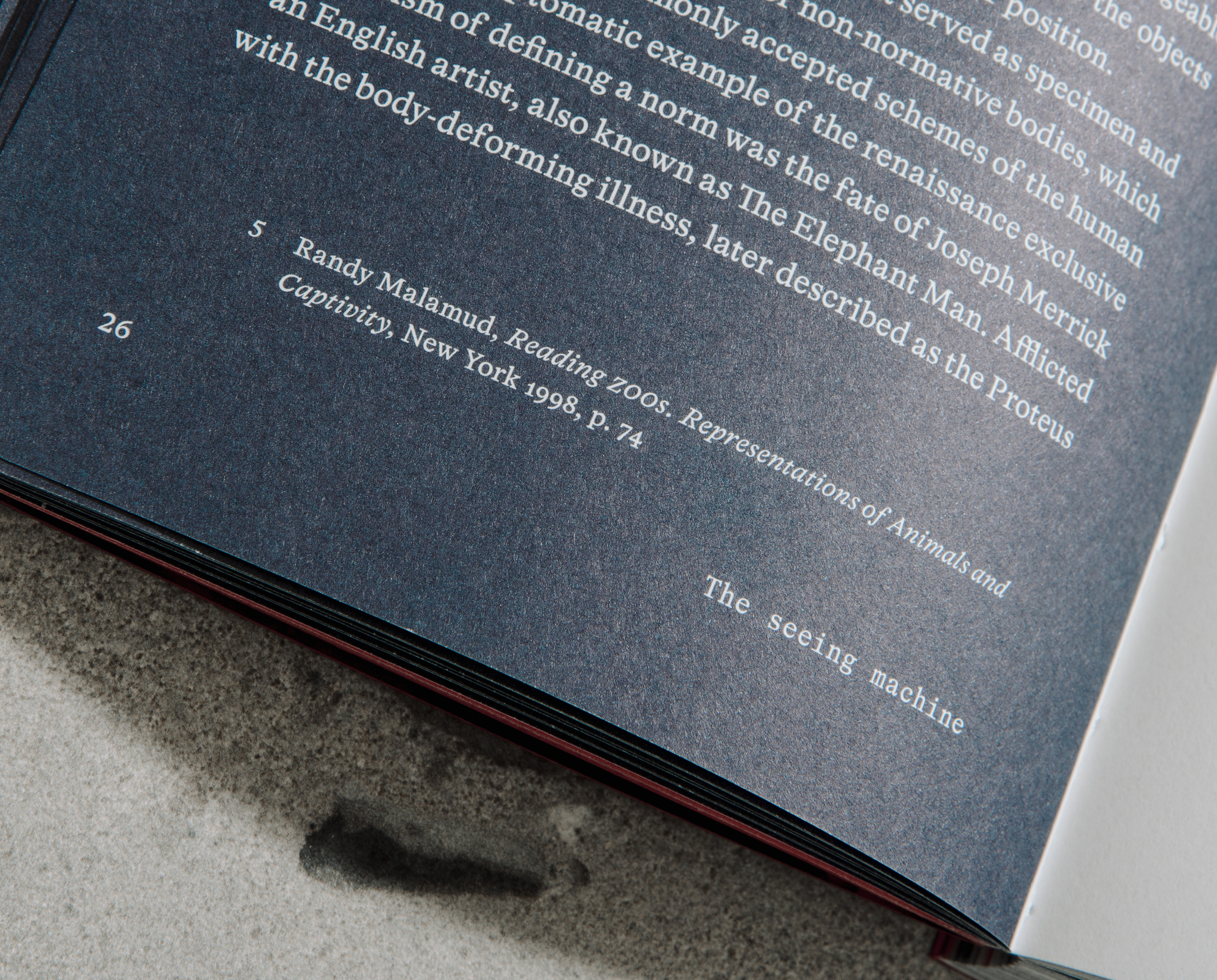
Tierhaus describes zoological gardens as “seeing machines” – devices, which enable the “eyeball to eyeball” meeting of a human and an animal, in carefully designed spaces of visibility and power, operating within the system of control, distance, and segregation. Every species living in the ZOO has its assigned place: an enclosure or a pavilion, commonly known as “a house” – The Antelope House (Antilopenhaus), The Elephant House (Elefantenhaus), The Ostrich House (Straußenhaus)…
The title Tierhaus (German for “The Animals House”) refers to the language of zoological gardens architecture, revealing the gesture of anthropomorphizing: animals receive symbolic “houses” in human imagination. The book demonstrates how visual and material culture constantly compensates the impossibility of complete recognition of animal nature, writing it into human narratives and orders of knowledge.
Editorial concept, texts, graphic design and typesetting: Daria Malicka
Tierhaus
Tierhaus opowiada o ogrodach zoologicznych jako o „maszynie do patrzenia” – urządzeniu umożliwiającym spotkanie człowieka ze zwierzęciem „oko w oko” w precyzyjnie zaprojektowanych przestrzeniach widzialności i władzy, działających w ramach systemu kontroli, dystansu i segregacji. Każdy gatunek zamieszkujący ZOO ma przypisane miejsce: wybieg lub pawilon, zwyczajowo nazywany „domem” – Dom Antylop (Antilopenhaus), Dom Słoni (Elefantenhaus), Dom Strusi (Straußenhaus)…
Tytuł Tierhaus (niem. „Dom Zwierząt”) odwołuje się do języka architektury ogrodów zoologicznych, ujawniając gest antropomorfizacji: zwierzęta otrzymują symboliczne „domy” w ludzkiej wyobraźni. Książka pokazuje, w jaki sposób kultura wizualna i materialna nieustannie kompensuje niemożność pełnego poznania zwierzęcej natury, wpisując ją w ludzkie narracje oraz porządki wiedzy.
Koncepcja edytorska, teksty, projekt graficzny i skład: Daria Malicka
Projekt został zrealizowany w ramach stypendium Ministra Kultury i Dziedzictwa Narodowego
EN
Tierhaus
Tierhaus describes zoological gardens as “seeing machines” – devices, which enable the “eyeball to eyeball” meeting of a human and an animal, in carefully designed spaces of visibility and power, operating within the system of control, distance, and segregation. Every species living in the ZOO has its assigned place: an enclosure or a pavilion, commonly known as “a house” – The Antelope House (Antilopenhaus), The Elephant House (Elefantenhaus), The Ostrich House (Straußenhaus)…
The title Tierhaus (German for “The Animals House”) refers to the language of zoological gardens architecture, revealing the gesture of anthropomorphizing: animals receive symbolic “houses” in human imagination. The book demonstrates how visual and material culture constantly compensates the impossibility of complete recognition of animal nature, writing it into human narratives and orders of knowledge.
Editorial concept, texts, graphic design and typesetting: Daria Malicka
Executed within a grant from the Ministry of Culture and National Heritage






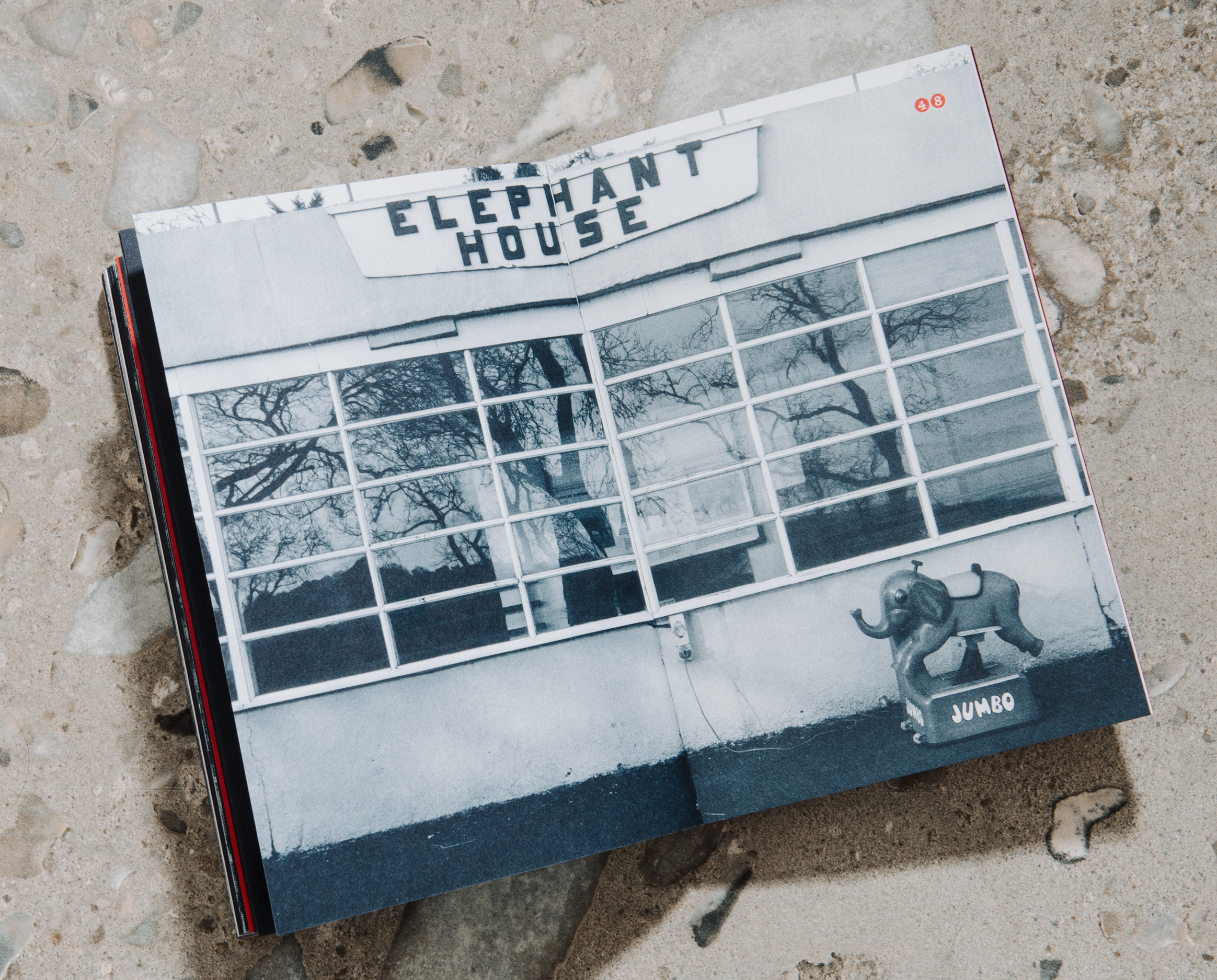
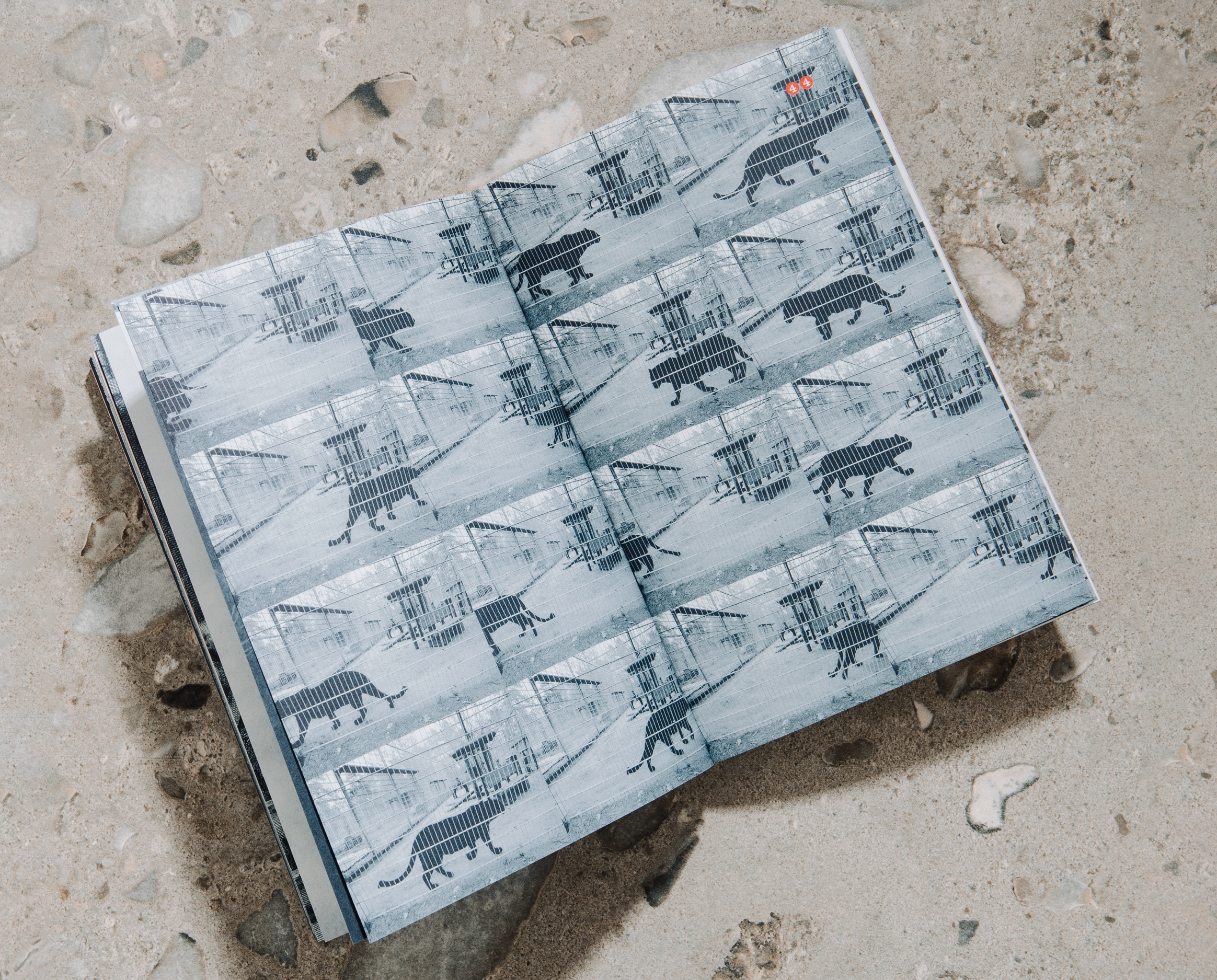
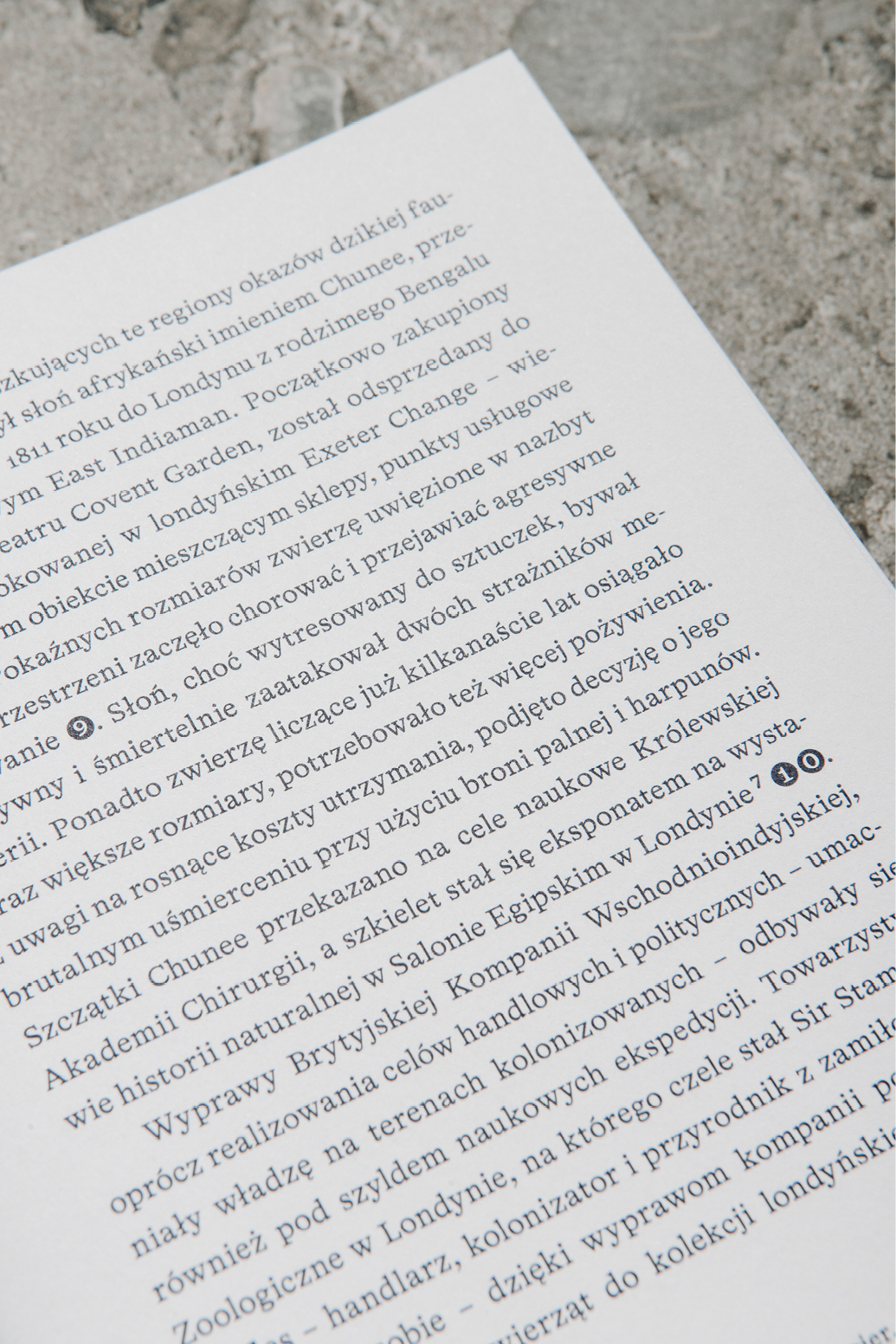
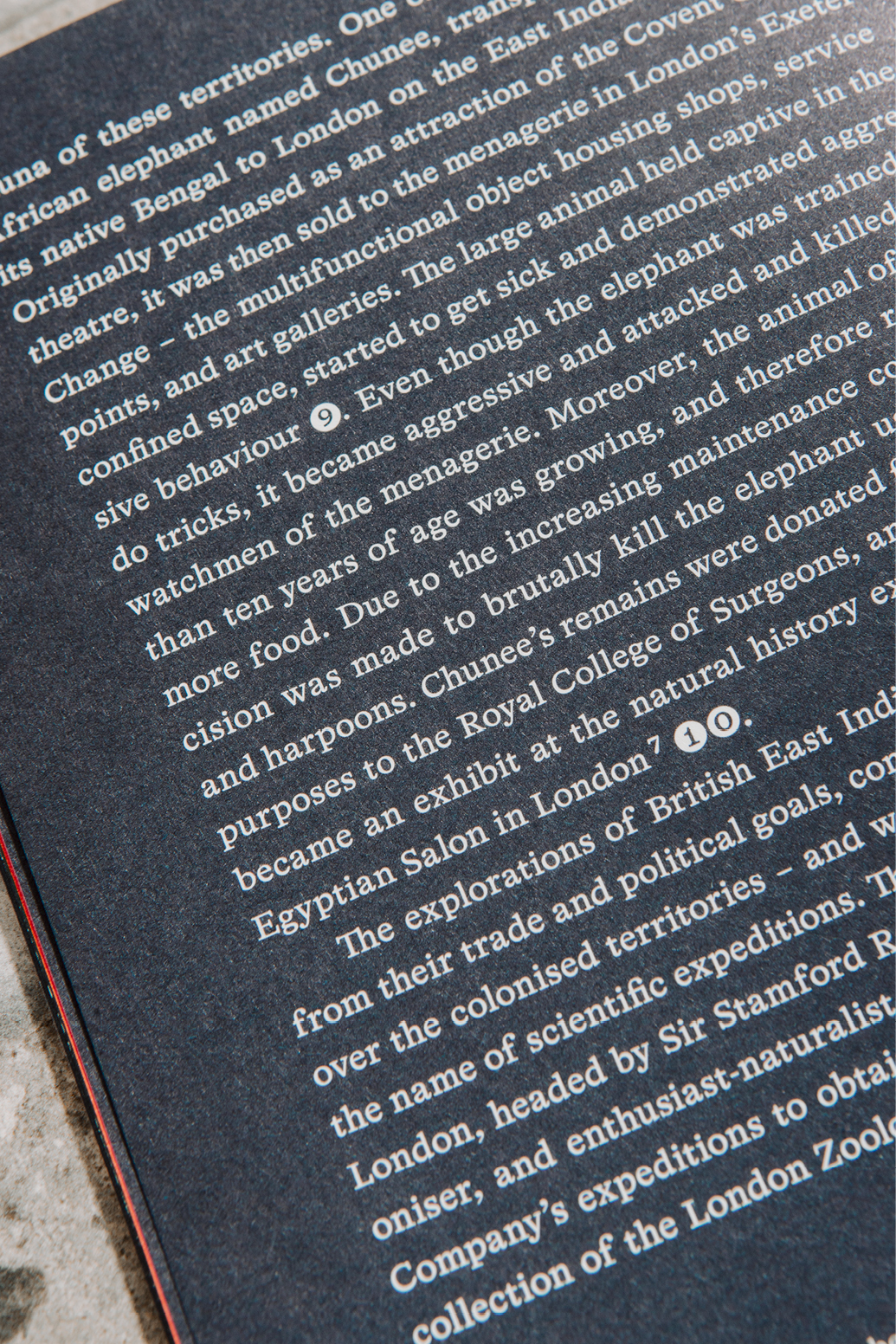

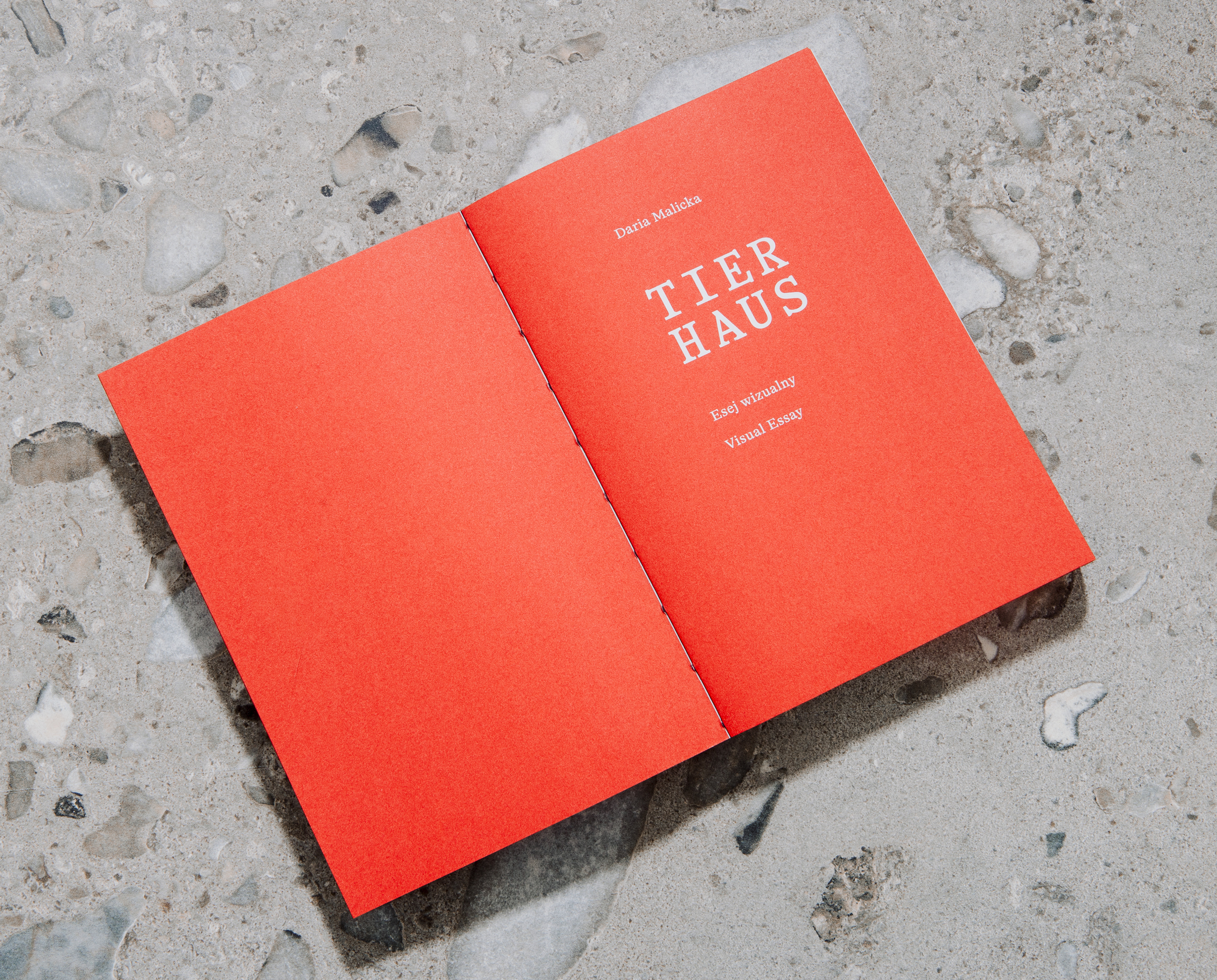
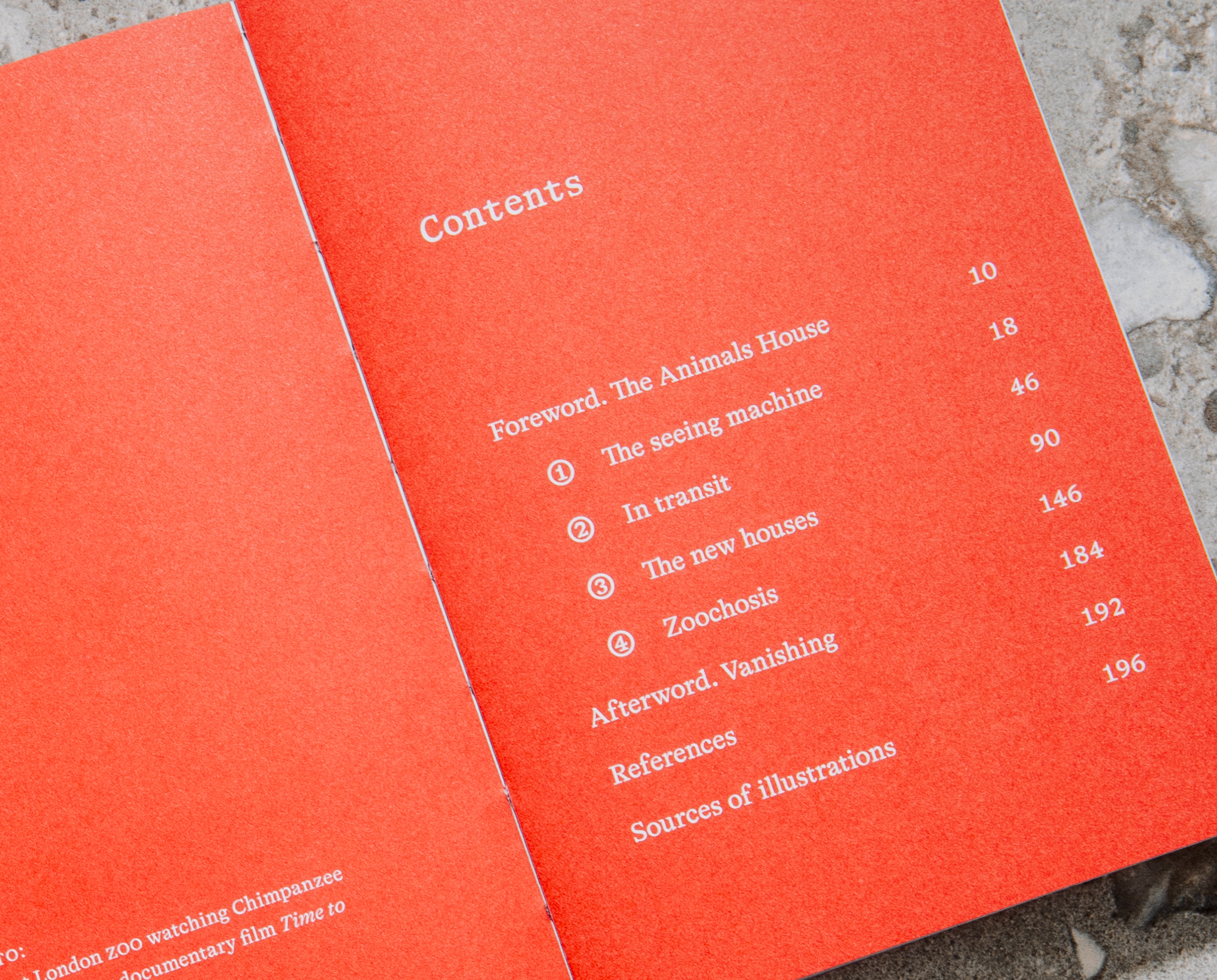

Książka / 2026
Nakład: 150 egz.
Objętość: 200 stron
Papier: Munken Print White 115
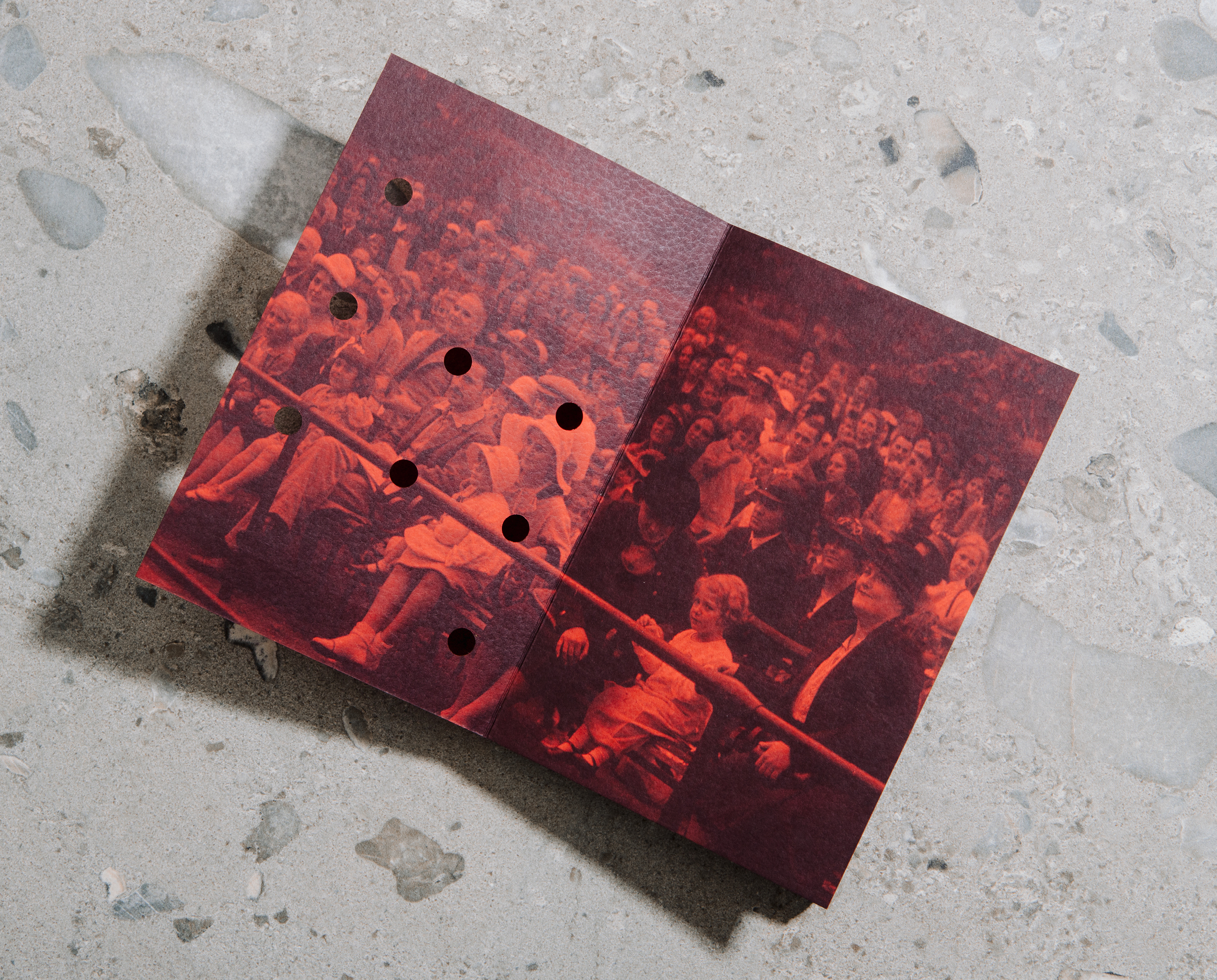
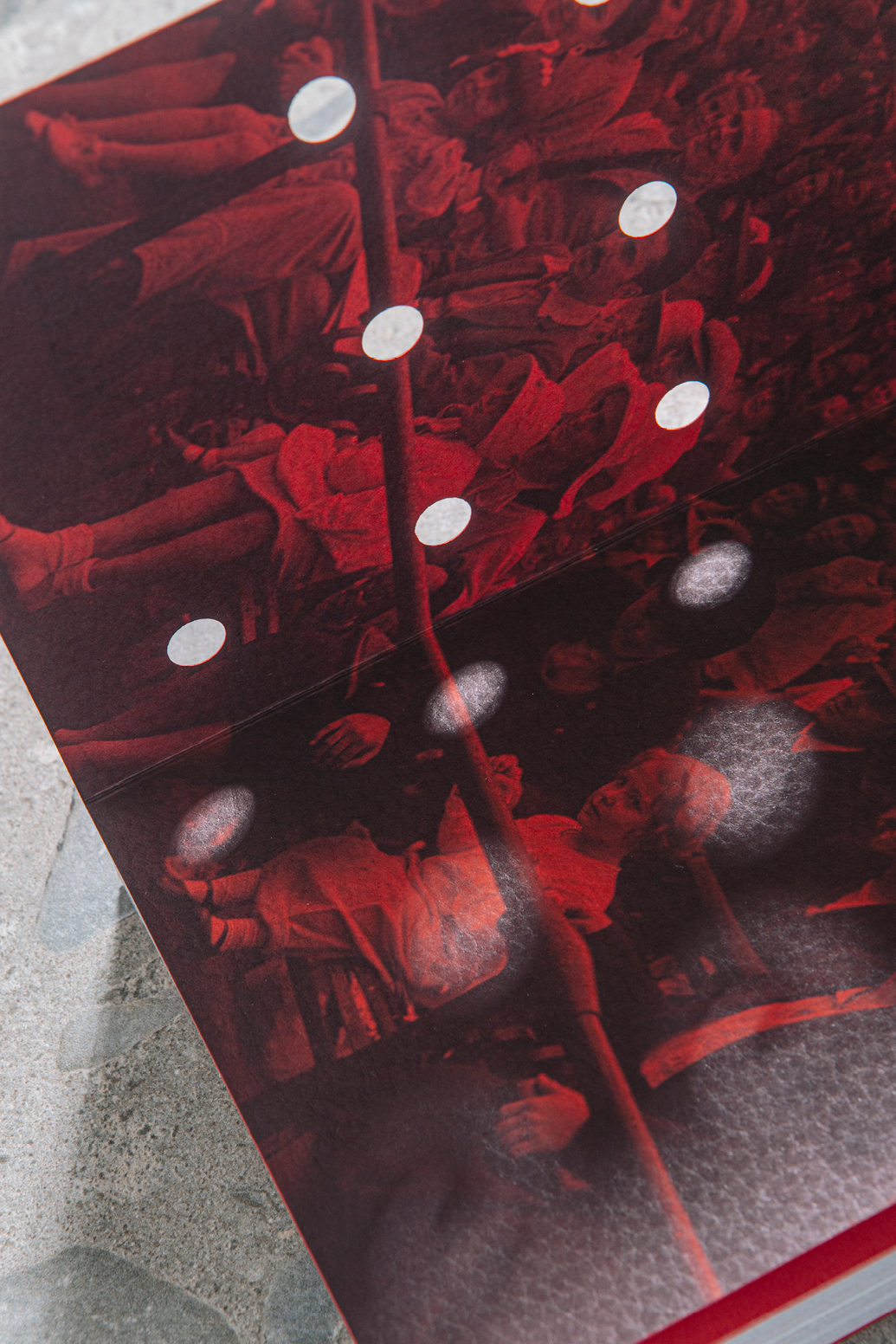
Kolorystyka: 2 + 2 (Pantone 5395 + Pantone Bright Red)
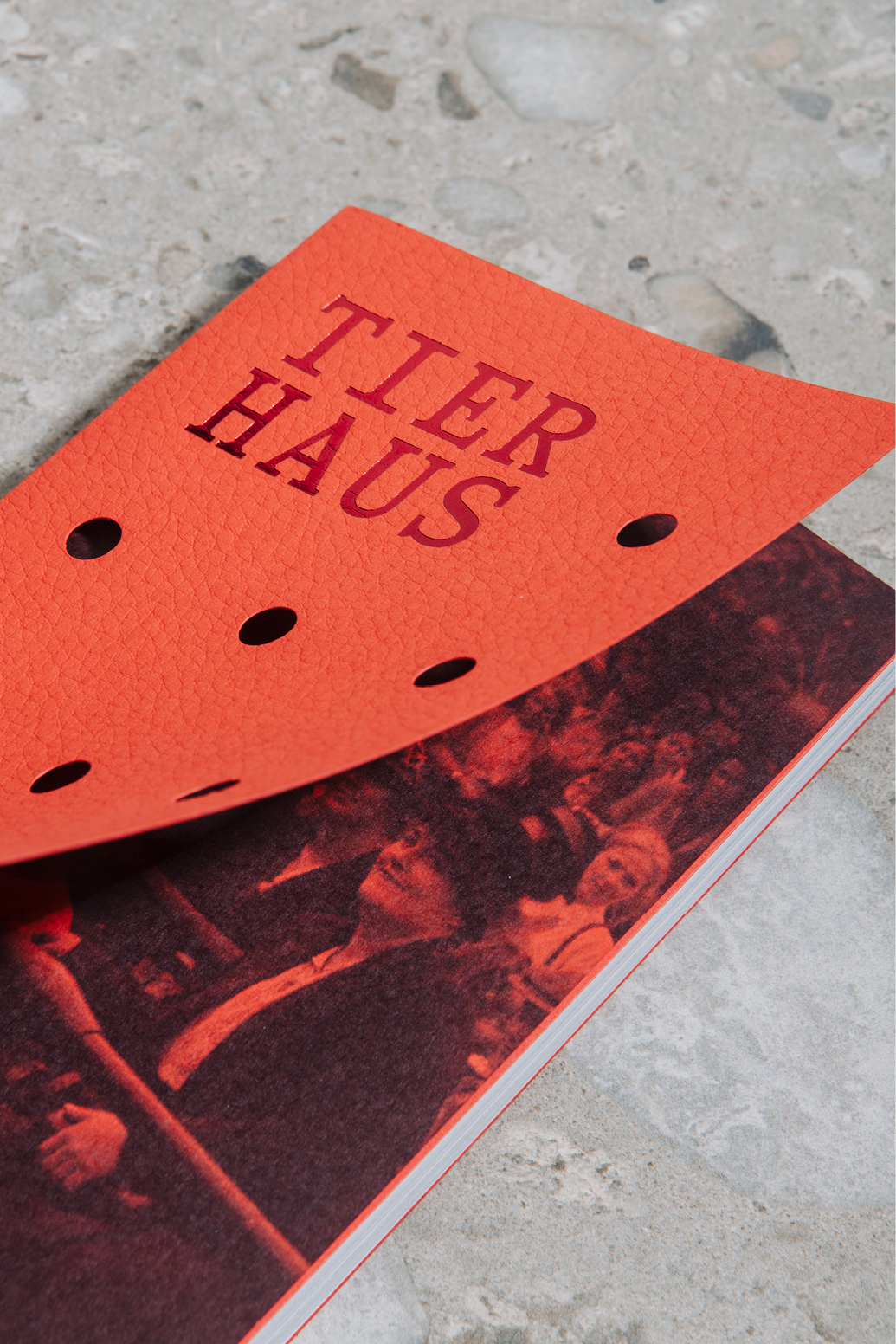
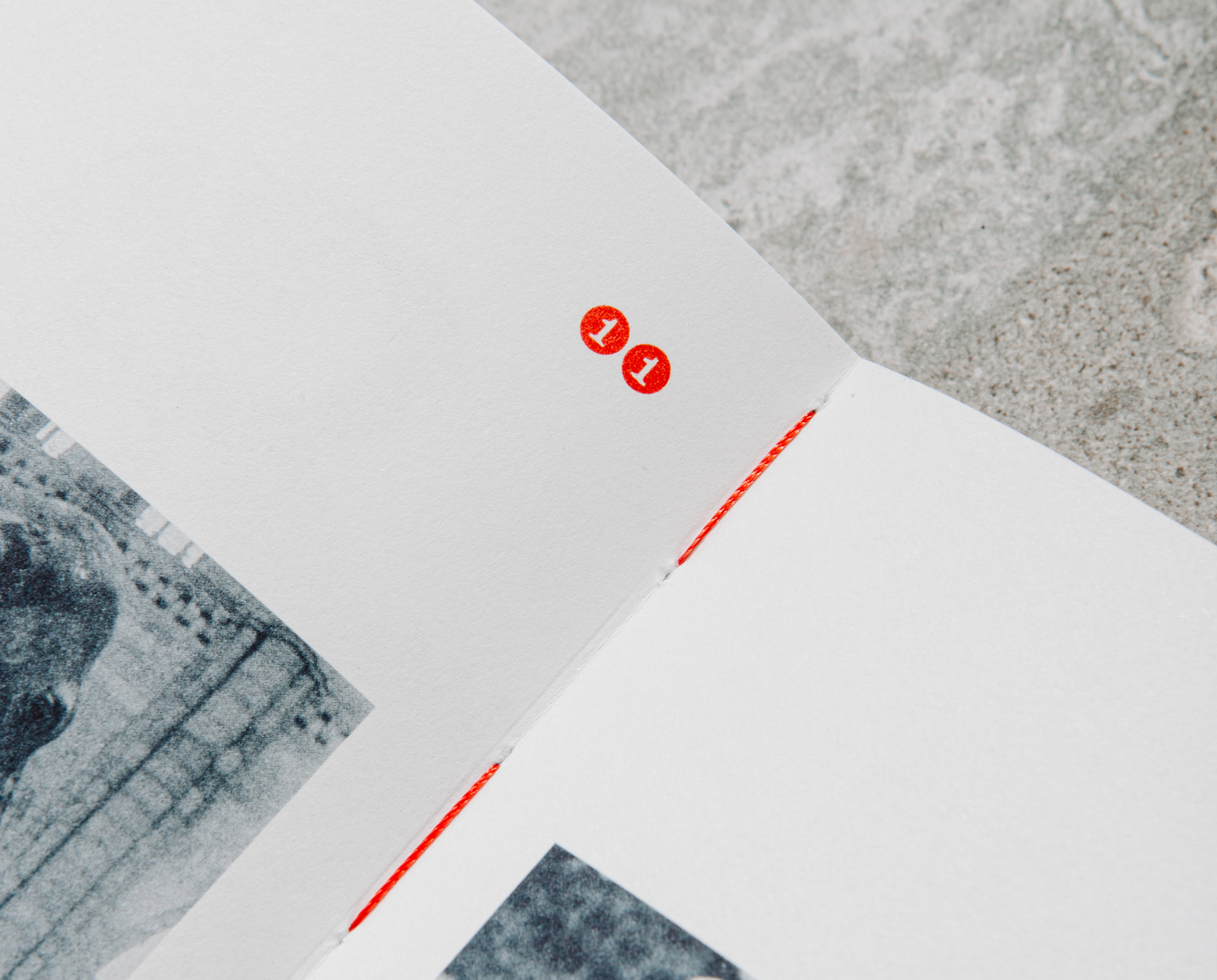
Oprawa miękka, szyta / papier: Gmund Heather Tangerine (70), 240 g
Book / 2026
Printrun: 150
Paper: Munken Print White 115
Colour scheme: 2 + 2 (Pantone 5395 + Pantone Bright Red)
Printrun: 150
Format: 120 × 180 mm
Volume: 200 pagesPaper: Munken Print White 115
Colour scheme: 2 + 2 (Pantone 5395 + Pantone Bright Red)
Soft cover, sewn / paper: Gmund Heather Tangerine (70), 240 g