PL
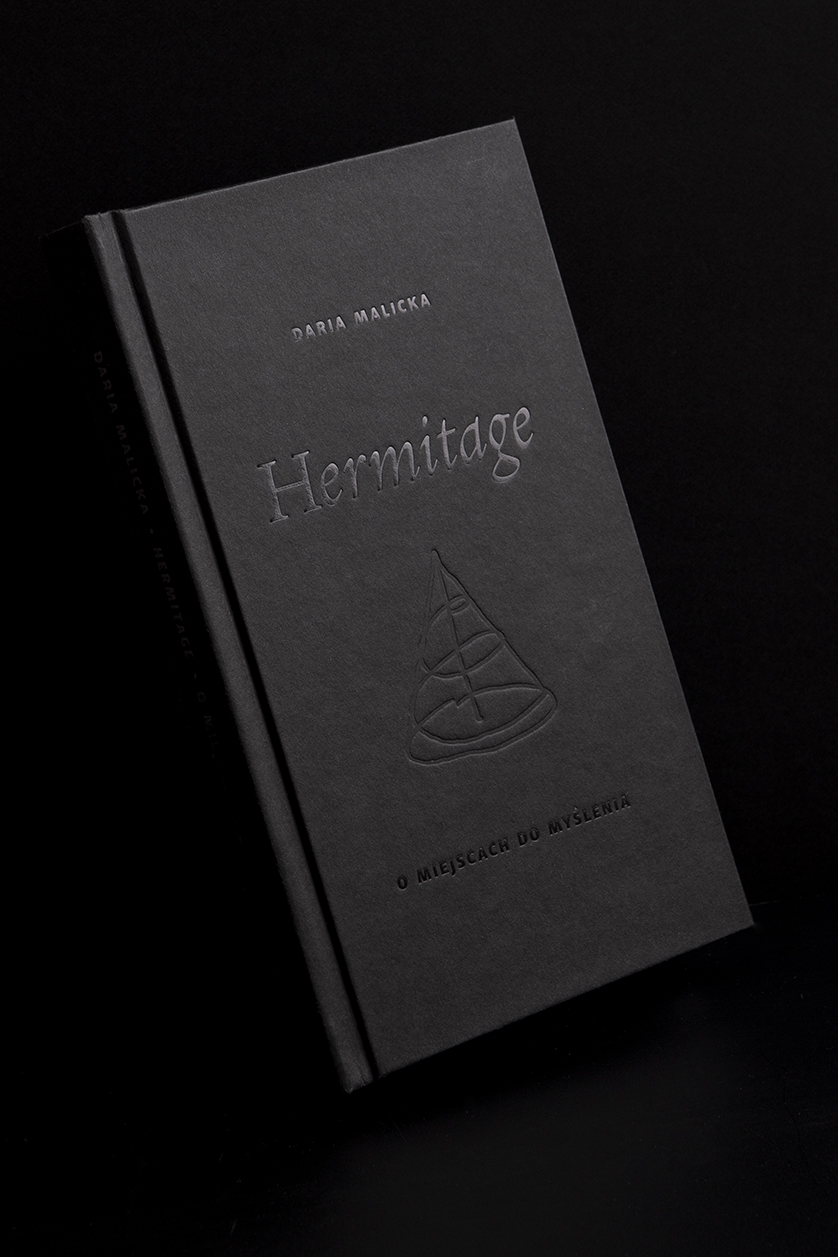
HermitageHermitage. O miejscach do myślenia. Esej wizualny w trzech częściach z appendiksem to książka o przestrzeniach (fikcyjnych i realnych), w których wydarza się myślenie: fenomen trudny do uchwycenia, a jednak ujawniający się poprzez materialne, mierzalne formy, struktury i układy.
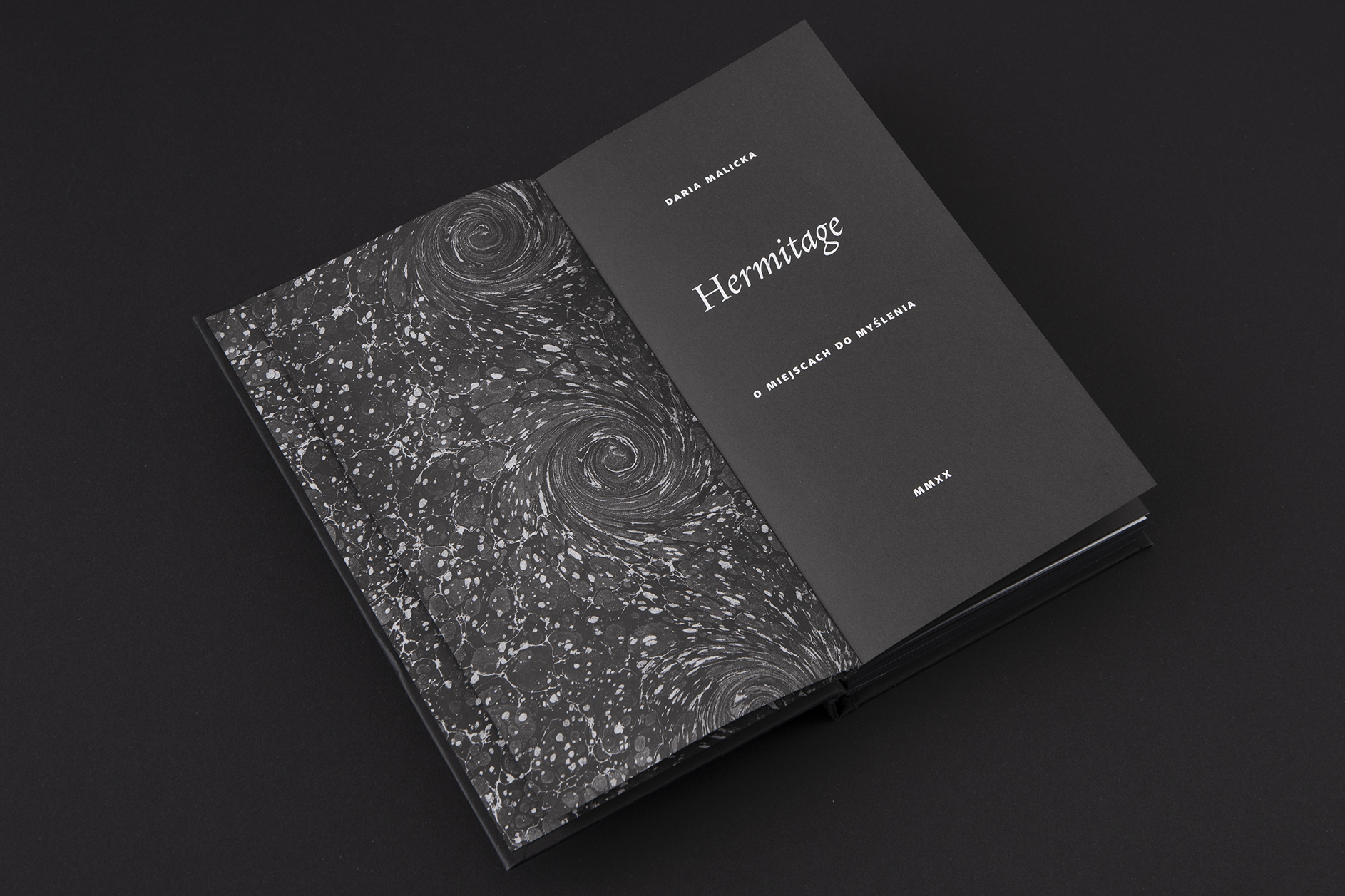
Publikację tworzy kompilacja archiwalnych materiałów wizualnych pochodzących z różnych źródeł i epok, zestawionych według klucza wzajemnych odniesień — zarówno w warstwie obrazu, jak i znaczeń. Ich wielość i różnorodność spina figura hermitage’u: osobliwej samotni, altany lub niewielkiej budowli przeznaczonej wyłącznie do dumania i kontemplacji natury. Cel jej powstania często idzie w parze z wykoncypowaną, „chimeryczną” formą małej architektury, wymykającą się regułom użyteczności.
Jednym z punktów odniesienia jest słynny Ermitaż Katarzyny Wielkiej — początkowo mały pawilon dla prywatnych zbiorów, który z czasem rozrósł się do skali publicznej instytucji. Niezależnie jednak od rozmiaru, przywoływane w książce „miejsca do myślenia” łączy nieoczywista inwencja formalna i zawiłość przypominająca kręte ścieżki, którymi podążają myśli uwolnione od celu.
Całość zamyka appendix – radykalna synteza wyrażonych w książce konceptów, dzięki której zyskują one określony kształt oraz ciężar.
Publikacja zamyka wielowątkowy projekt artystyczno-badawczy realizowany w różnych mediach, konsekwentnie rozwijany w formule eseju wizualnego.
Koncepcja edytorska, teksty, projekt graficzny i skład: Daria Malicka
EN
HermitageHermitage. On Places for Thinking. Visual Essay in Three Parts with an Appendix is a publication finalising a multithreading art-and-research project. Based on the visual essay strategy executed in various media, the project addresses the issue of materialisation of thinking understood as a spatial and measurable phenomenon, generating changeable forms and structures.
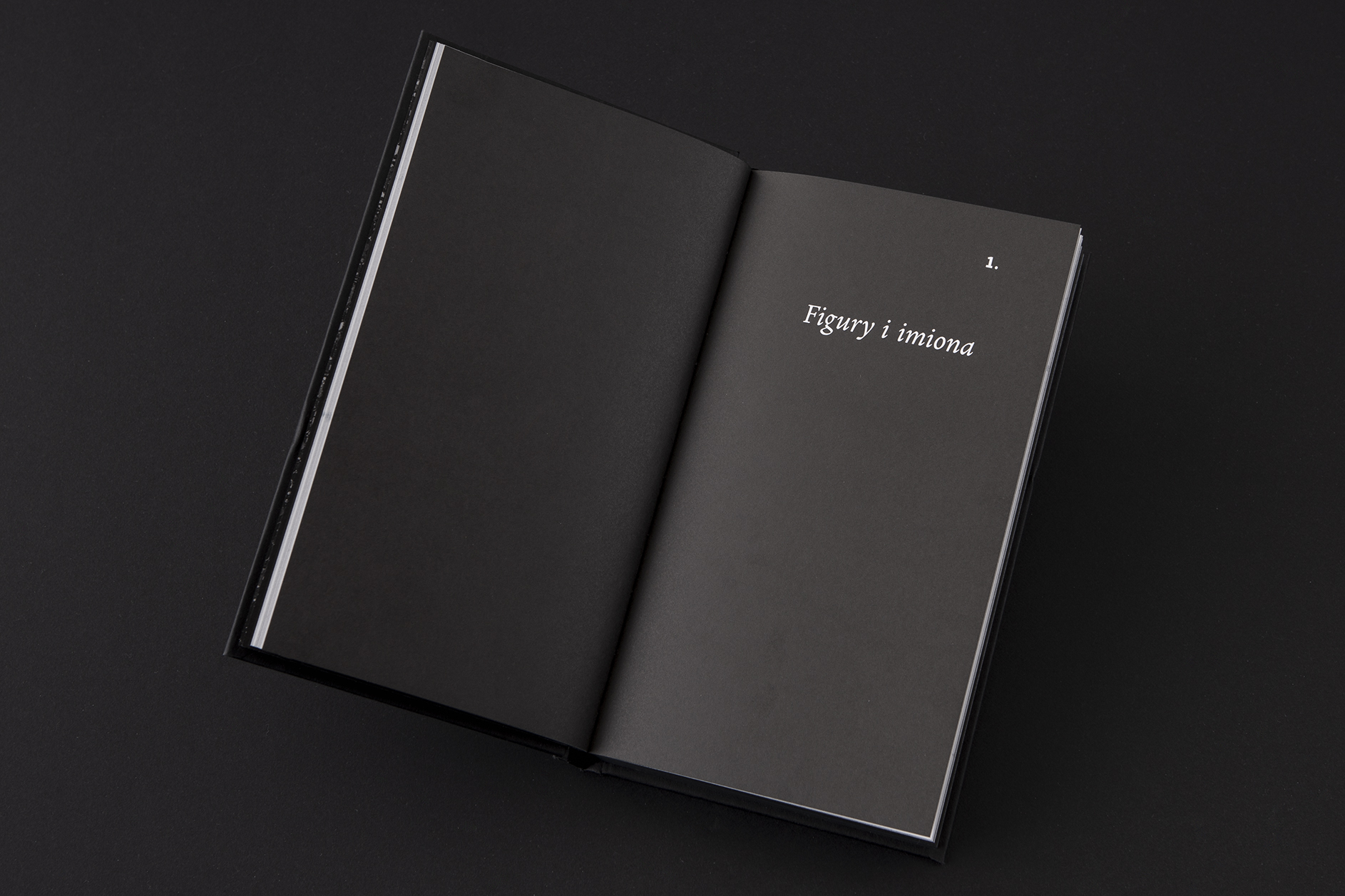
The book contains author’s original texts and compilation of archival texts of visual culture derived from various sources, organised according to the key of their mutual references in the visual and semantic layers. The selection of artefacts included in the publication is determined by a specific similarity encoded both in the language of forms and in their discursive implications. Texts and images are organised according to the division into three parts, each of them analysing different aspects of the title places for thinking.
Such a changeability of form and multiperspectivity of places for thinking are clipped together with the figure of Hermitage – a specific seclusion, arbour or small building dedicated solely to contemplation of the surrounding nature. This reduced functionality often accompanies the originated, and even “fabricated” architectural form, which escapes any patterns or principles. That was the case of the famous Catherine the Great’s Hermitage, initially intended as a small pavilion holding the empress’ private collection, and which has eventually grown to the extensive form of public institution over the ages. Regardless of the scale, however, the places for thinking referenced in the publication are characterised by certain ambiguity and non-obvious invention, analogous to meandering paths of purpose-free thinking.
The publication is completed by the appendix – a radical synthesis of the concepts expressed in the book which provides them with a certain shape and importance.
Editorial concept, texts, graphic design and typesetting: Daria Malicka
HermitageHermitage. O miejscach do myślenia. Esej wizualny w trzech częściach z appendiksem to książka o przestrzeniach (fikcyjnych i realnych), w których wydarza się myślenie: fenomen trudny do uchwycenia, a jednak ujawniający się poprzez materialne, mierzalne formy, struktury i układy.
Publikację tworzy kompilacja archiwalnych materiałów wizualnych pochodzących z różnych źródeł i epok, zestawionych według klucza wzajemnych odniesień — zarówno w warstwie obrazu, jak i znaczeń. Ich wielość i różnorodność spina figura hermitage’u: osobliwej samotni, altany lub niewielkiej budowli przeznaczonej wyłącznie do dumania i kontemplacji natury. Cel jej powstania często idzie w parze z wykoncypowaną, „chimeryczną” formą małej architektury, wymykającą się regułom użyteczności.
Jednym z punktów odniesienia jest słynny Ermitaż Katarzyny Wielkiej — początkowo mały pawilon dla prywatnych zbiorów, który z czasem rozrósł się do skali publicznej instytucji. Niezależnie jednak od rozmiaru, przywoływane w książce „miejsca do myślenia” łączy nieoczywista inwencja formalna i zawiłość przypominająca kręte ścieżki, którymi podążają myśli uwolnione od celu.
Całość zamyka appendix – radykalna synteza wyrażonych w książce konceptów, dzięki której zyskują one określony kształt oraz ciężar.
Publikacja zamyka wielowątkowy projekt artystyczno-badawczy realizowany w różnych mediach, konsekwentnie rozwijany w formule eseju wizualnego.
Koncepcja edytorska, teksty, projekt graficzny i skład: Daria Malicka
Projekt został zrealizowany w ramach stypendium Młoda Polska, które autorka otrzymała w 2020 roku.
Publikacja otrzymała nagrodę w 61. Konkursie Polskiego Towarzystwa Wydawców Książek Najpiękniejsze Książki Roku 2020.
EN
HermitageHermitage. On Places for Thinking. Visual Essay in Three Parts with an Appendix is a publication finalising a multithreading art-and-research project. Based on the visual essay strategy executed in various media, the project addresses the issue of materialisation of thinking understood as a spatial and measurable phenomenon, generating changeable forms and structures.
The book contains author’s original texts and compilation of archival texts of visual culture derived from various sources, organised according to the key of their mutual references in the visual and semantic layers. The selection of artefacts included in the publication is determined by a specific similarity encoded both in the language of forms and in their discursive implications. Texts and images are organised according to the division into three parts, each of them analysing different aspects of the title places for thinking.
Such a changeability of form and multiperspectivity of places for thinking are clipped together with the figure of Hermitage – a specific seclusion, arbour or small building dedicated solely to contemplation of the surrounding nature. This reduced functionality often accompanies the originated, and even “fabricated” architectural form, which escapes any patterns or principles. That was the case of the famous Catherine the Great’s Hermitage, initially intended as a small pavilion holding the empress’ private collection, and which has eventually grown to the extensive form of public institution over the ages. Regardless of the scale, however, the places for thinking referenced in the publication are characterised by certain ambiguity and non-obvious invention, analogous to meandering paths of purpose-free thinking.
The publication is completed by the appendix – a radical synthesis of the concepts expressed in the book which provides them with a certain shape and importance.
Editorial concept, texts, graphic design and typesetting: Daria Malicka
The project was realised within the Young Poland scholarship, granted to the artist in 2020.
The publication was awarded at the 61st The Most Beautiful Polish Books 2020 Competition of the Polish Book Publishers’ Association.



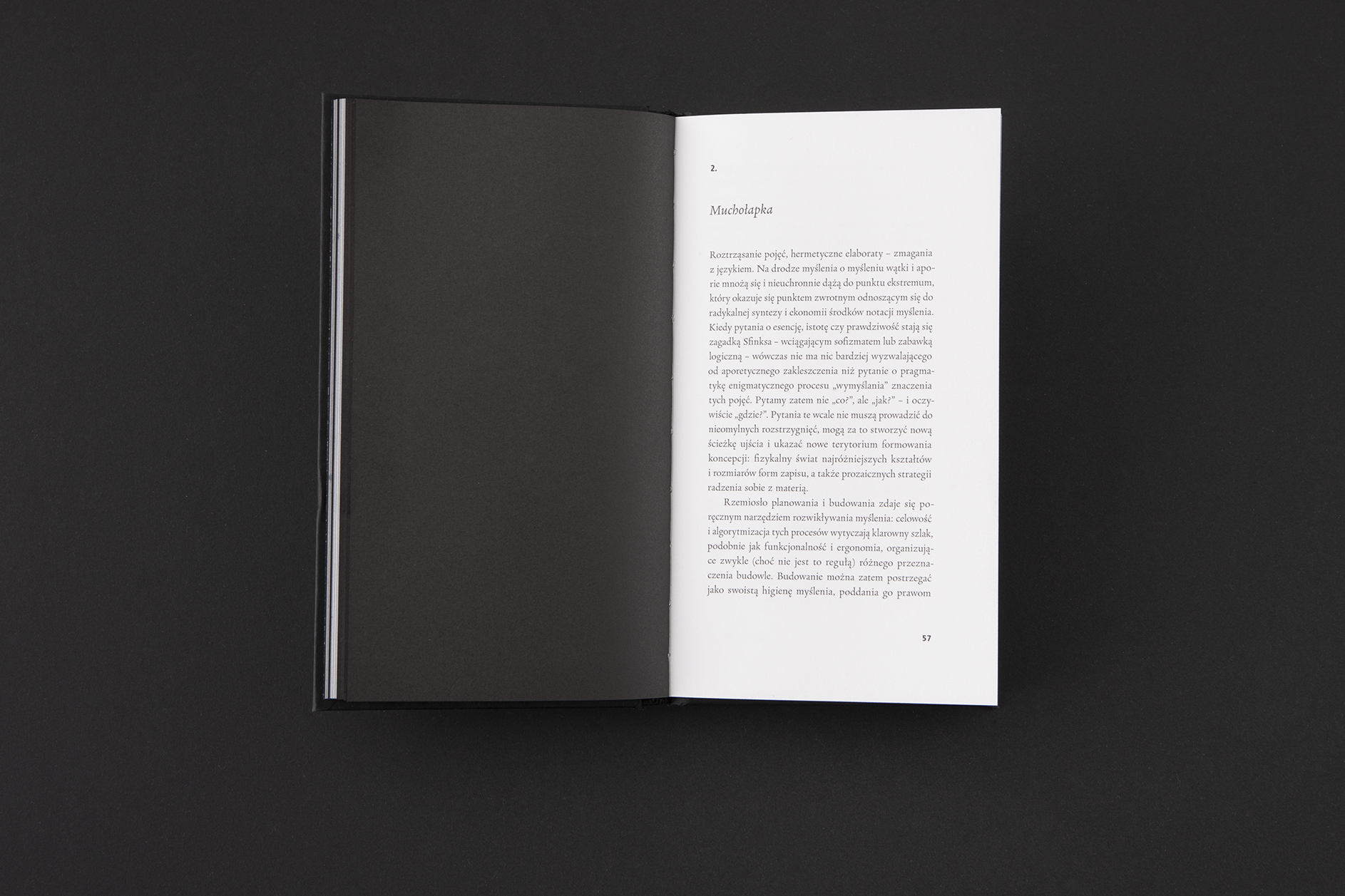

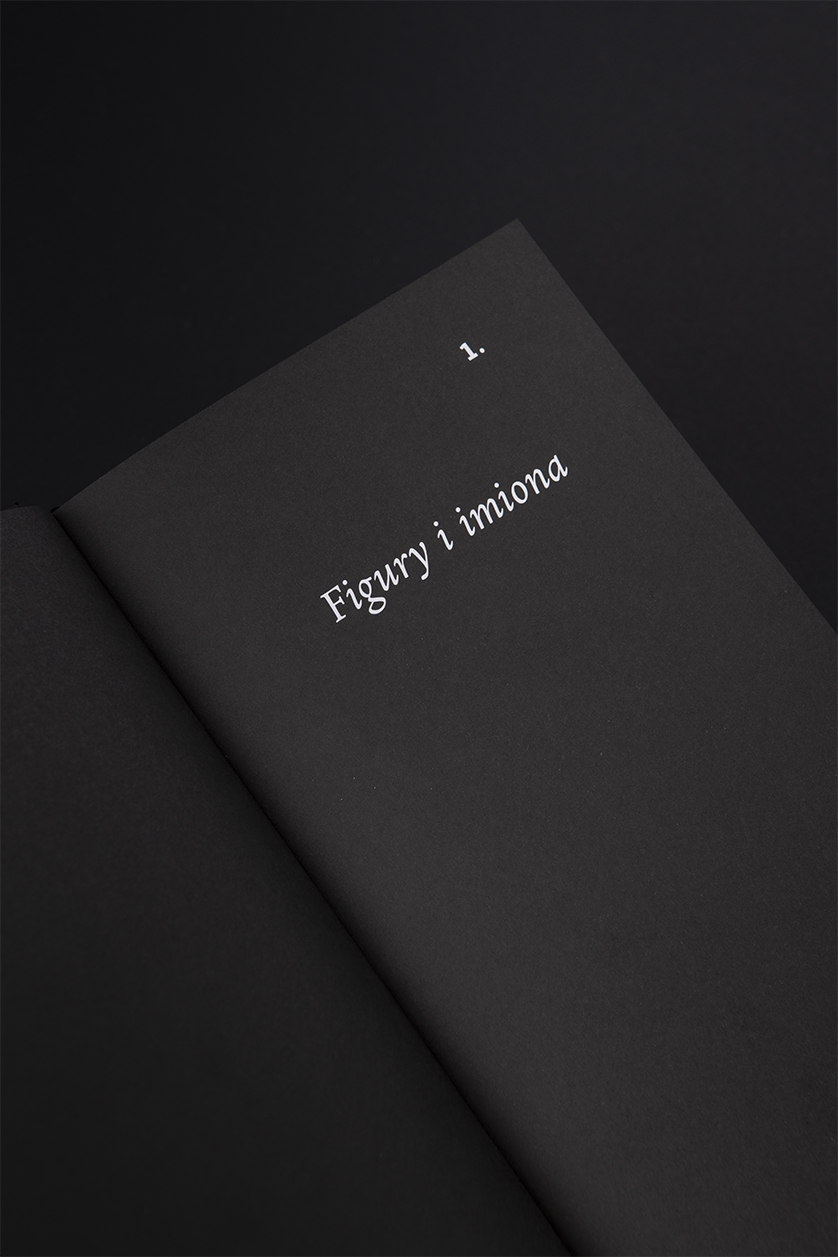
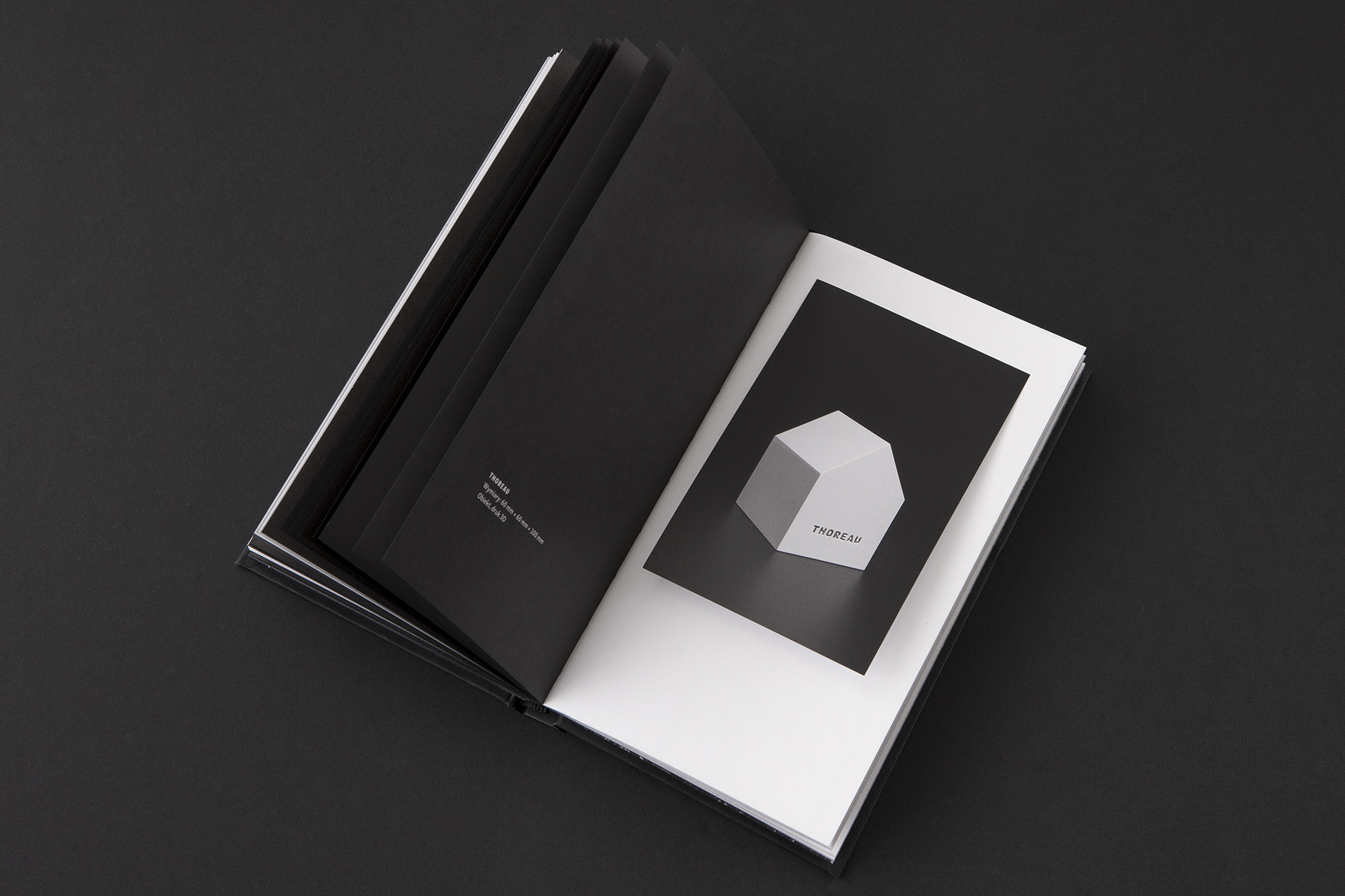
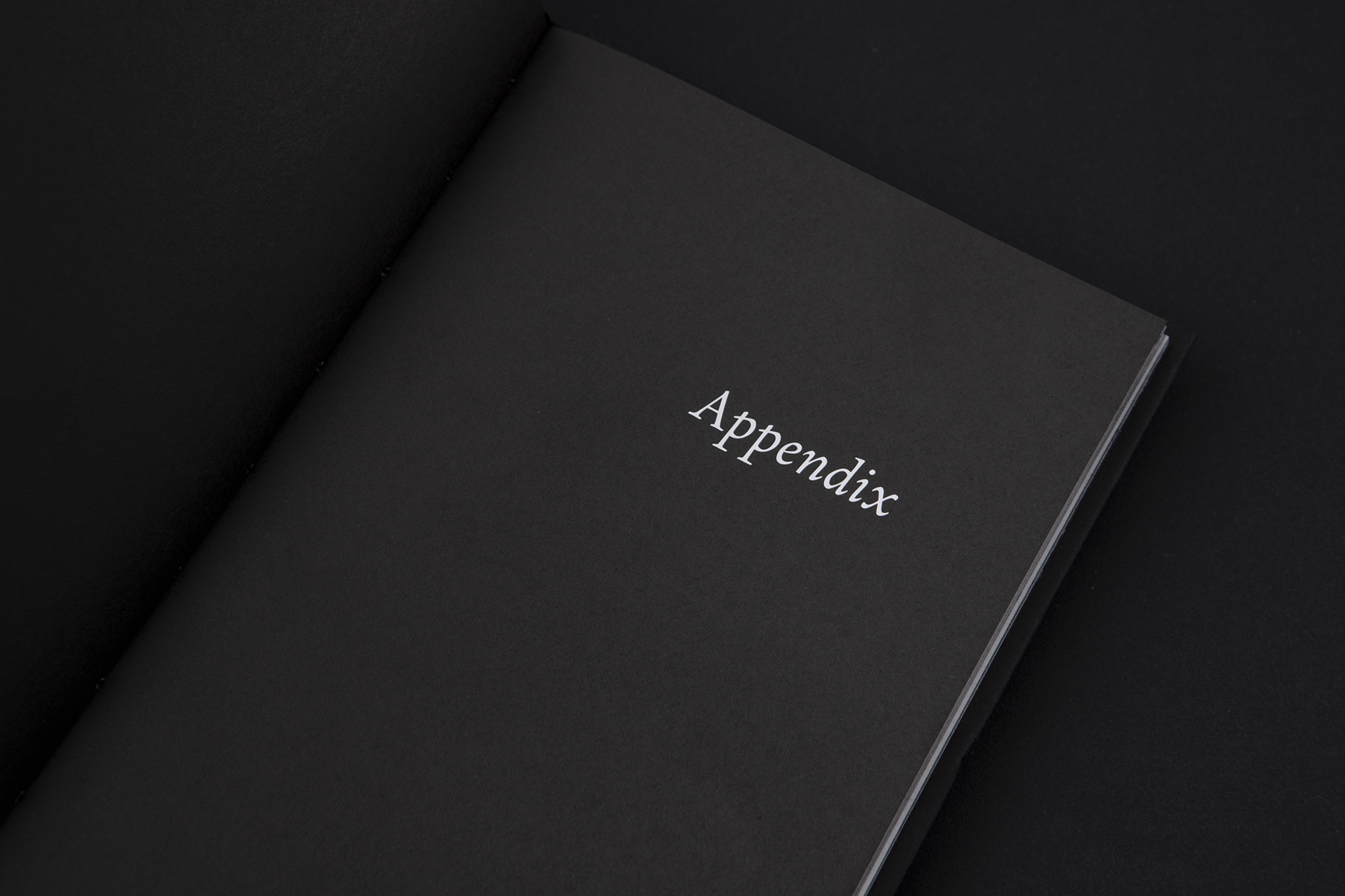


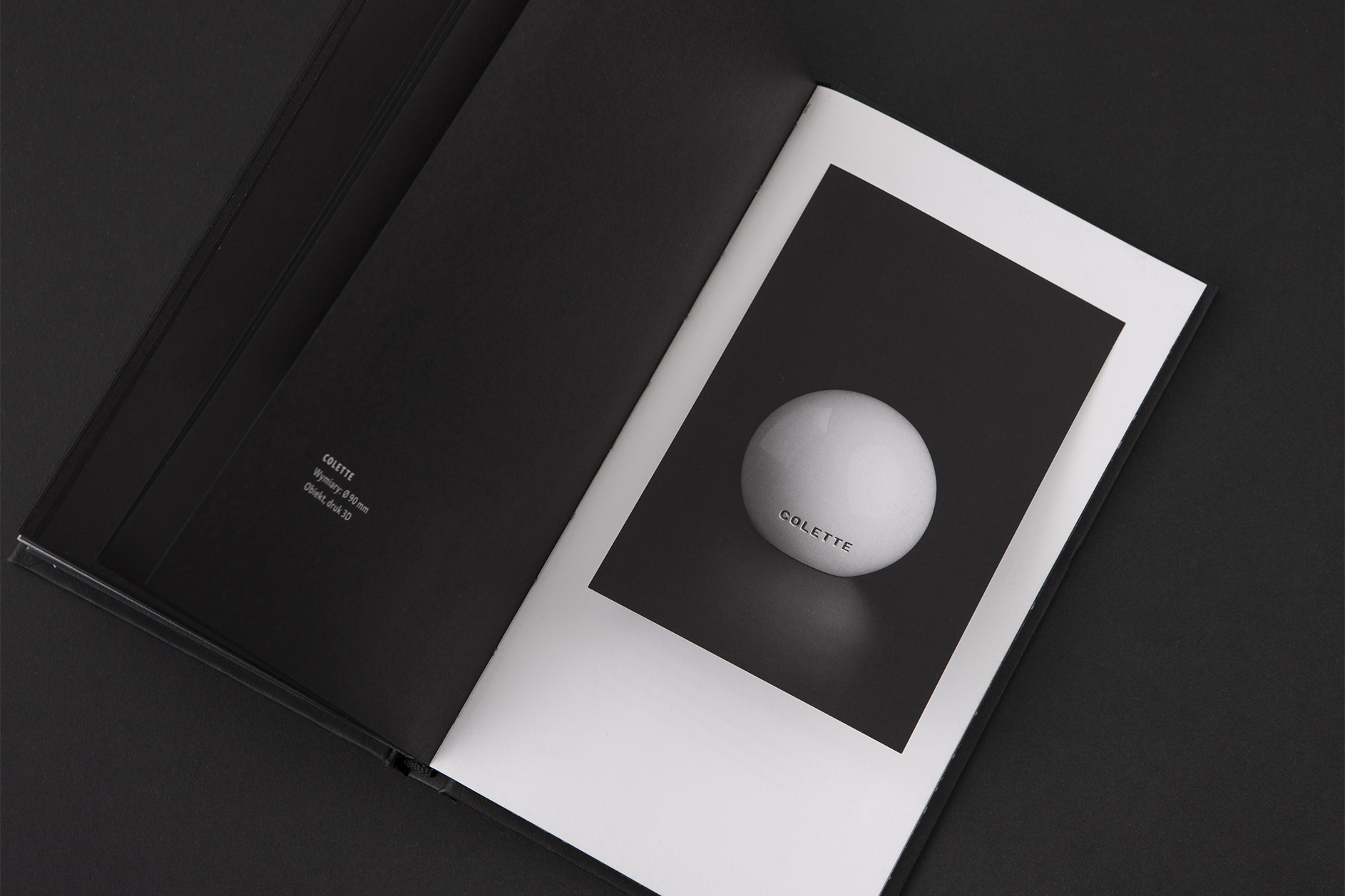
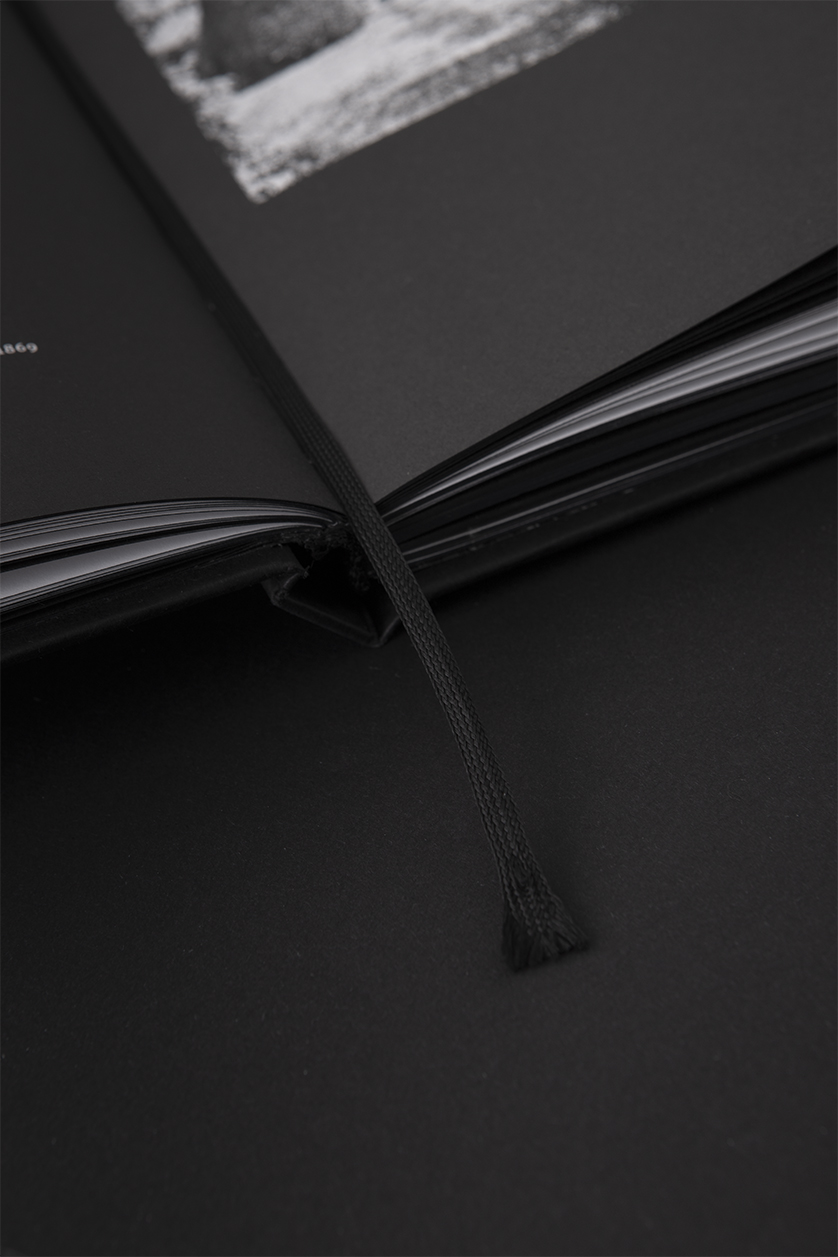

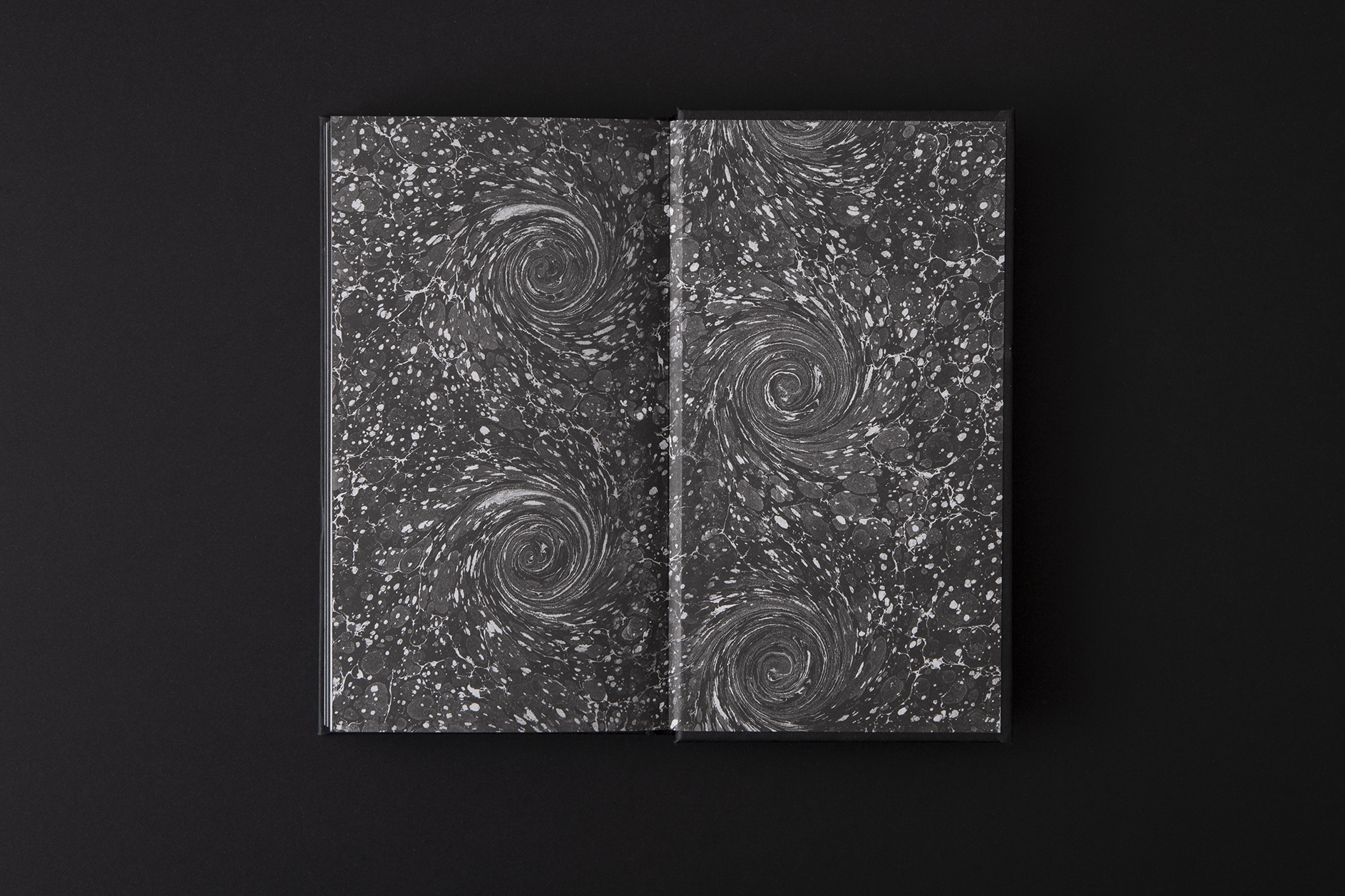
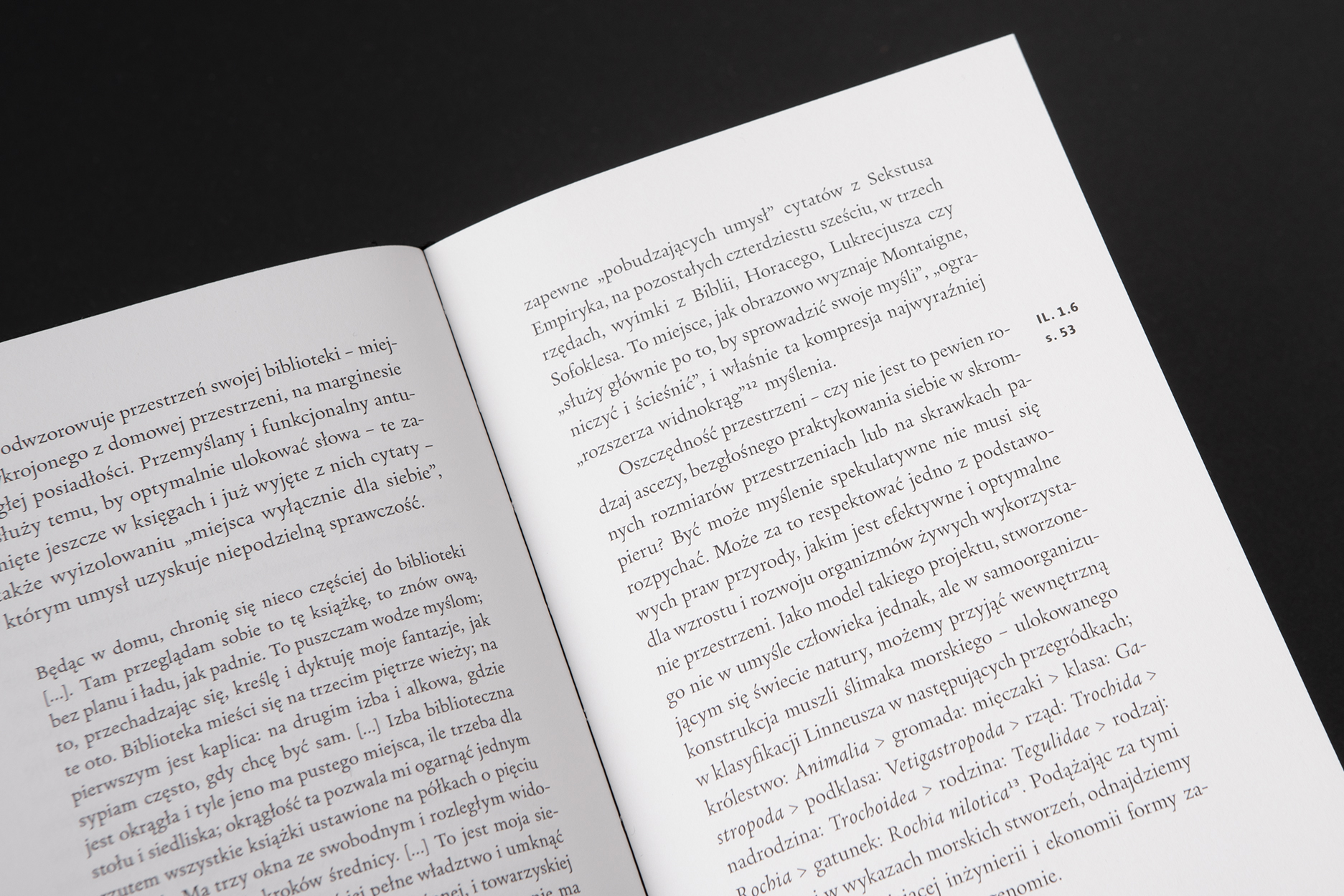
Książka / 2020
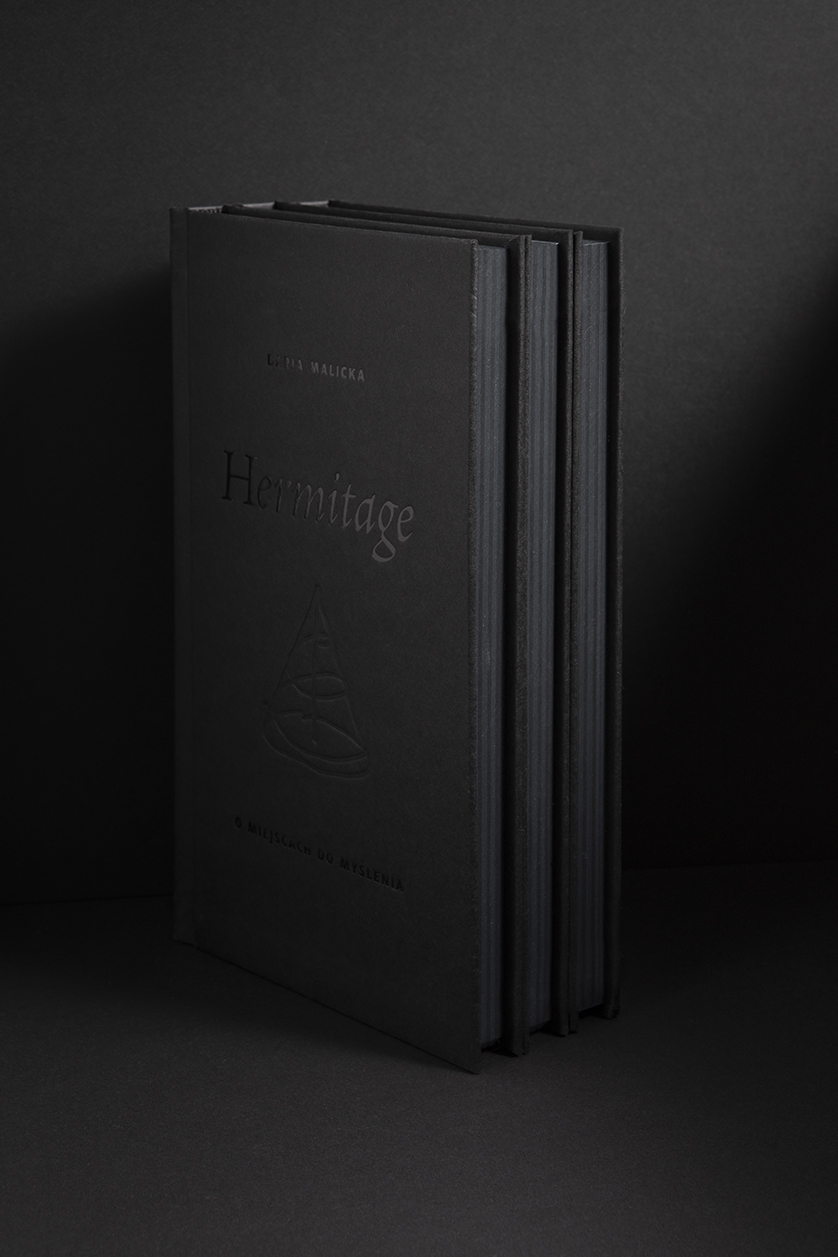
Format: 110 × 195 mm
Objętość: 148 stron
Papier: Munken Lynx 130 g
Kolorystyka: 3 + 3 (czarny,
Pantone Cool Gray 1 U,
Pantone Process Black U)
Oprawa twarda, szyta
Book / 2020
Format: 110 × 195 mm
Volume: 148 pages
Paper: Munken Lynx 130 g
Colour scheme: 3 + 3 (black,
Pantone Cool Gray 1 U,
Pantone Process Black U)
Hard cover, sewn
Format: 110 × 195 mm
Volume: 148 pages
Paper: Munken Lynx 130 g
Colour scheme: 3 + 3 (black,
Pantone Cool Gray 1 U,
Pantone Process Black U)
Hard cover, sewn

Obiekt 3D / 2015
Model na podstawie obrazu Antonella da Messiny
3D object / 2015
Model based on Antonello da Messina’s painting
Model based on Antonello da Messina’s painting
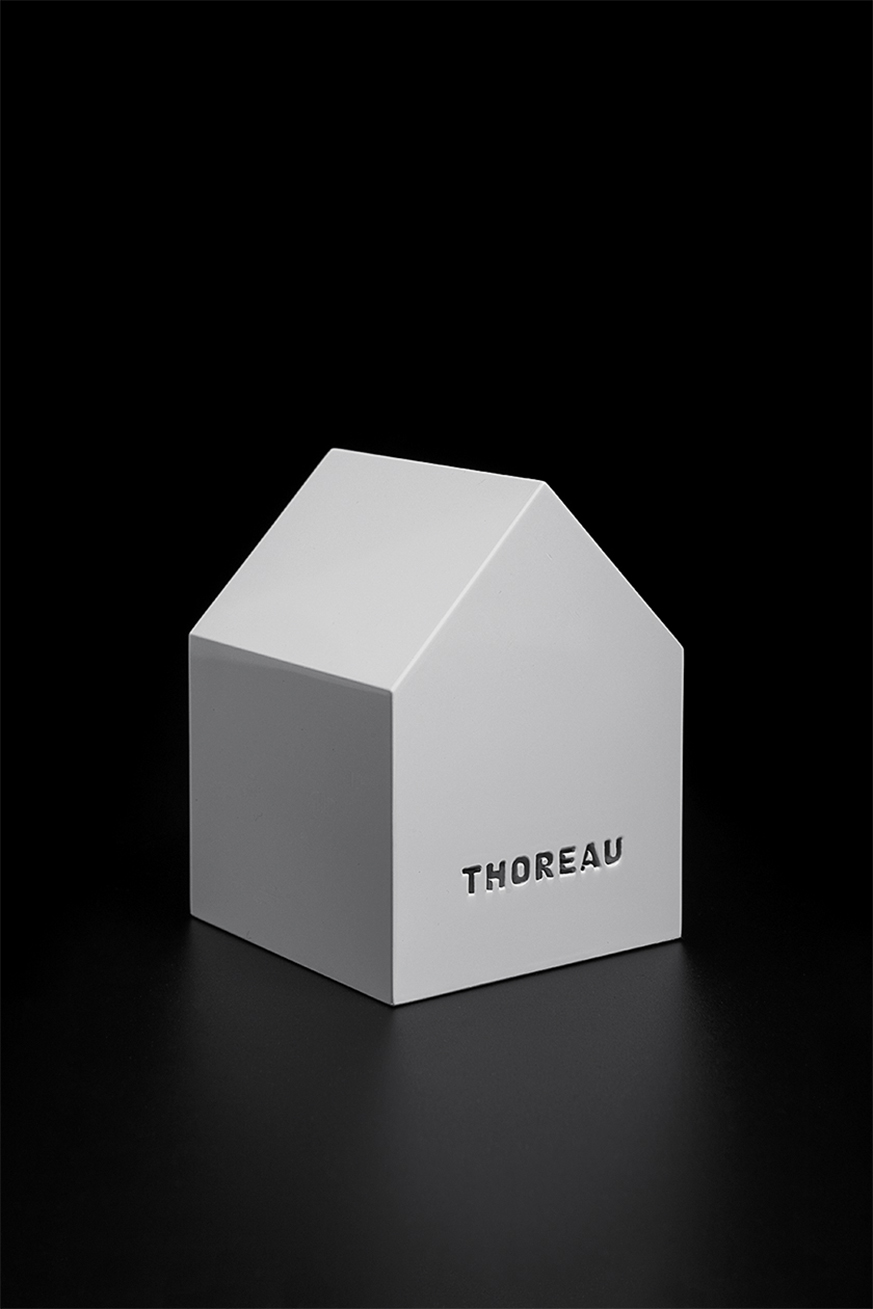
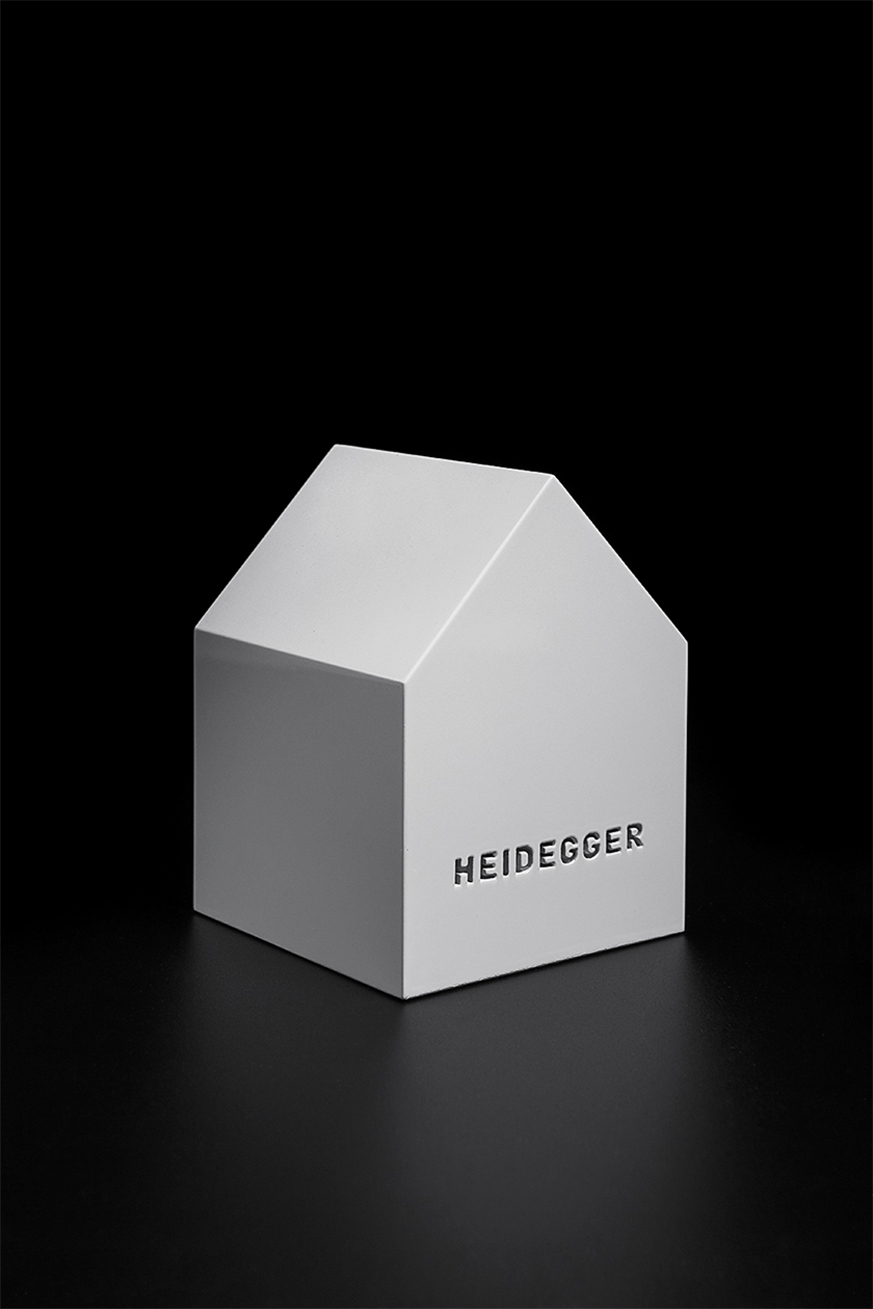
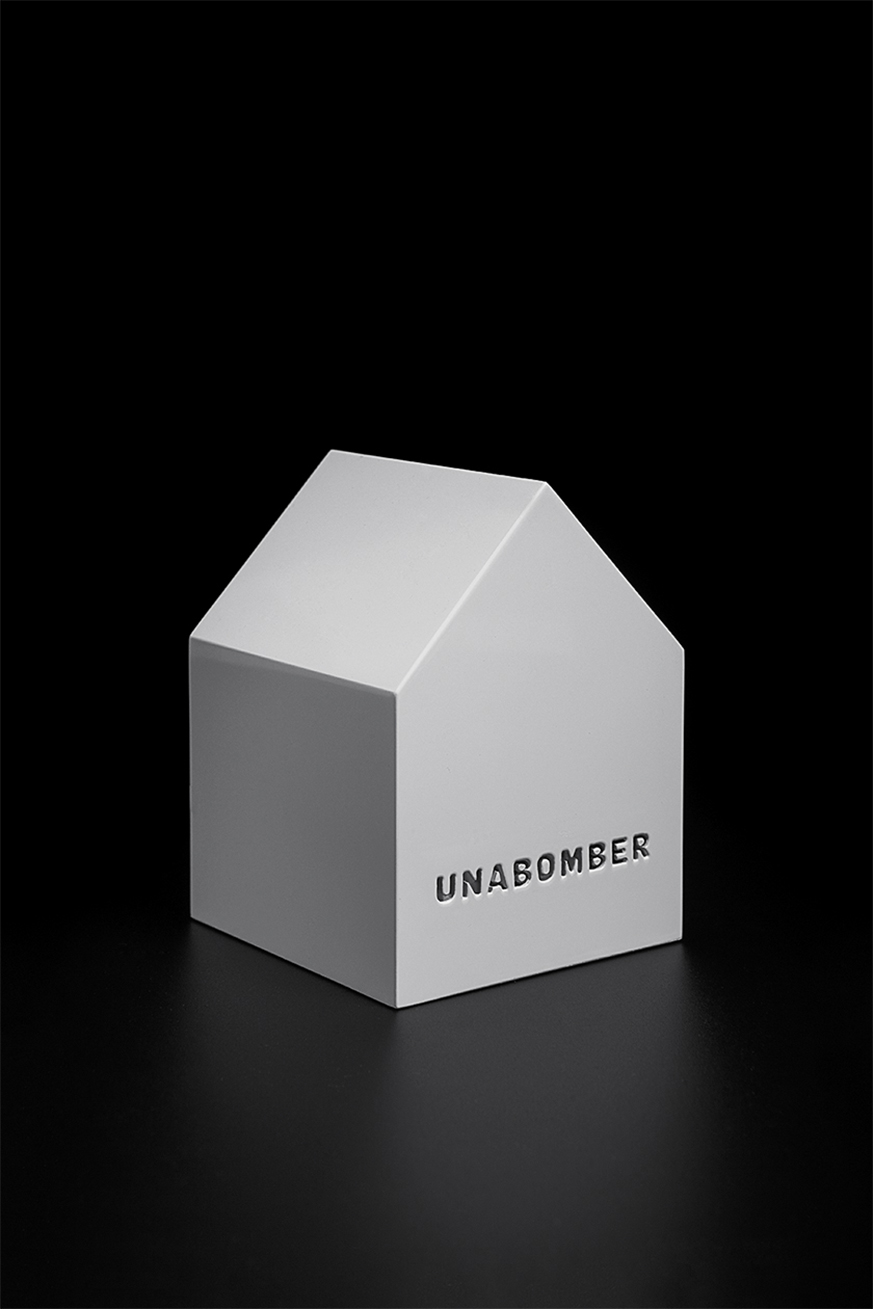
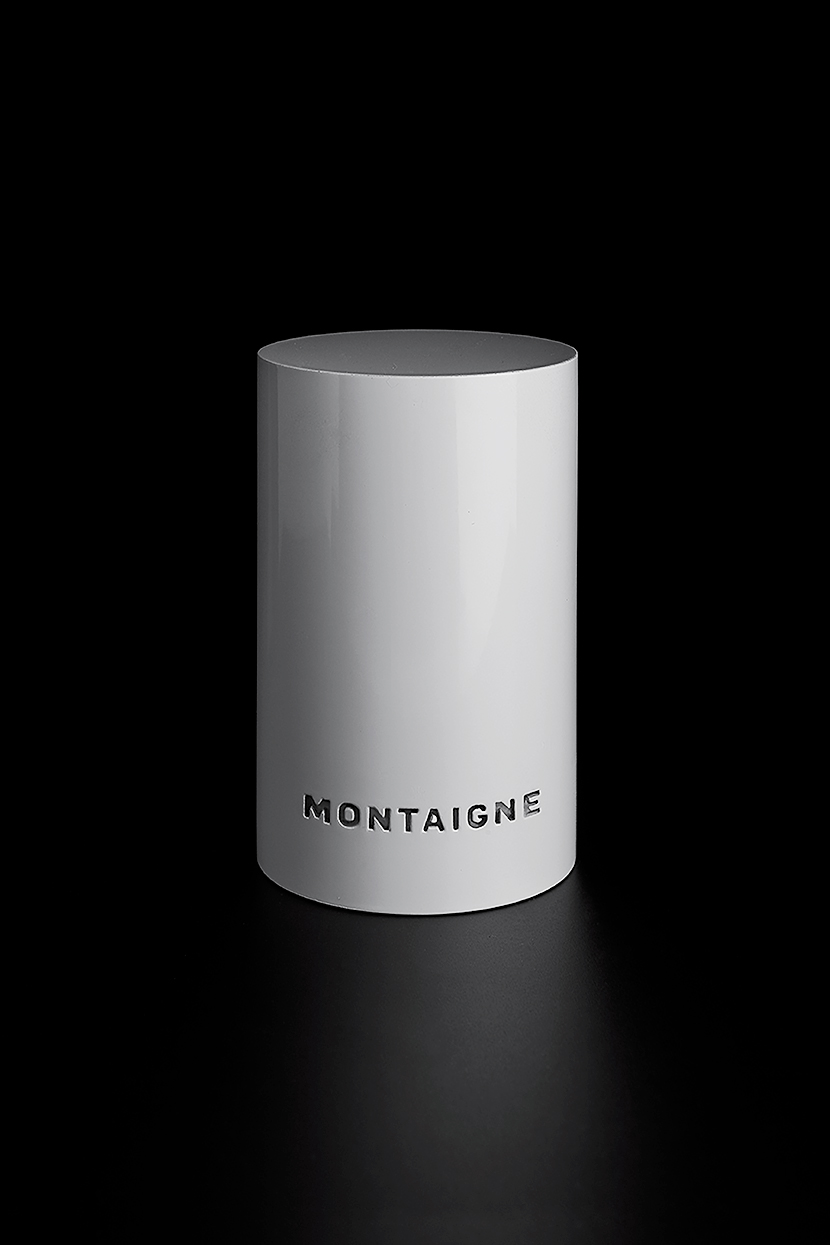
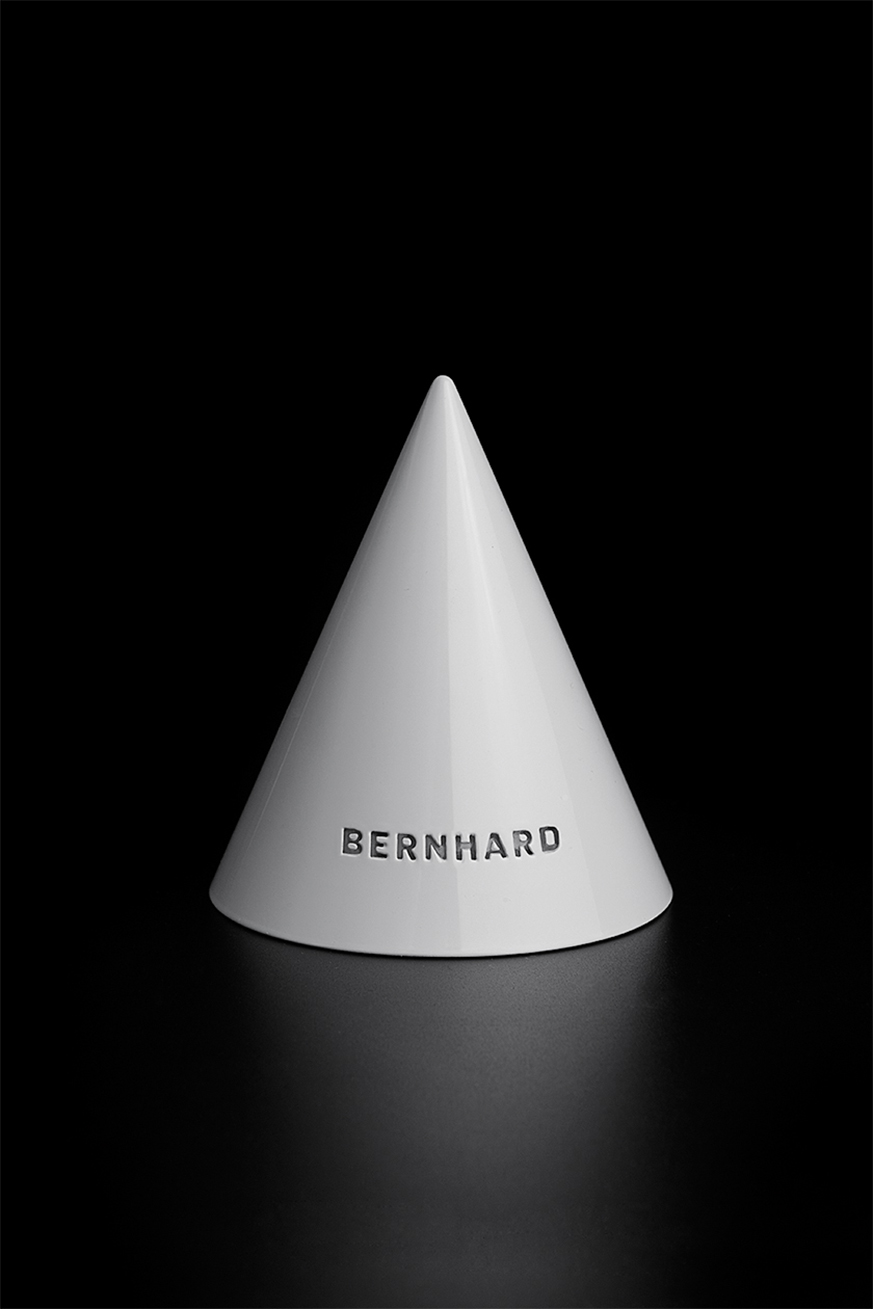
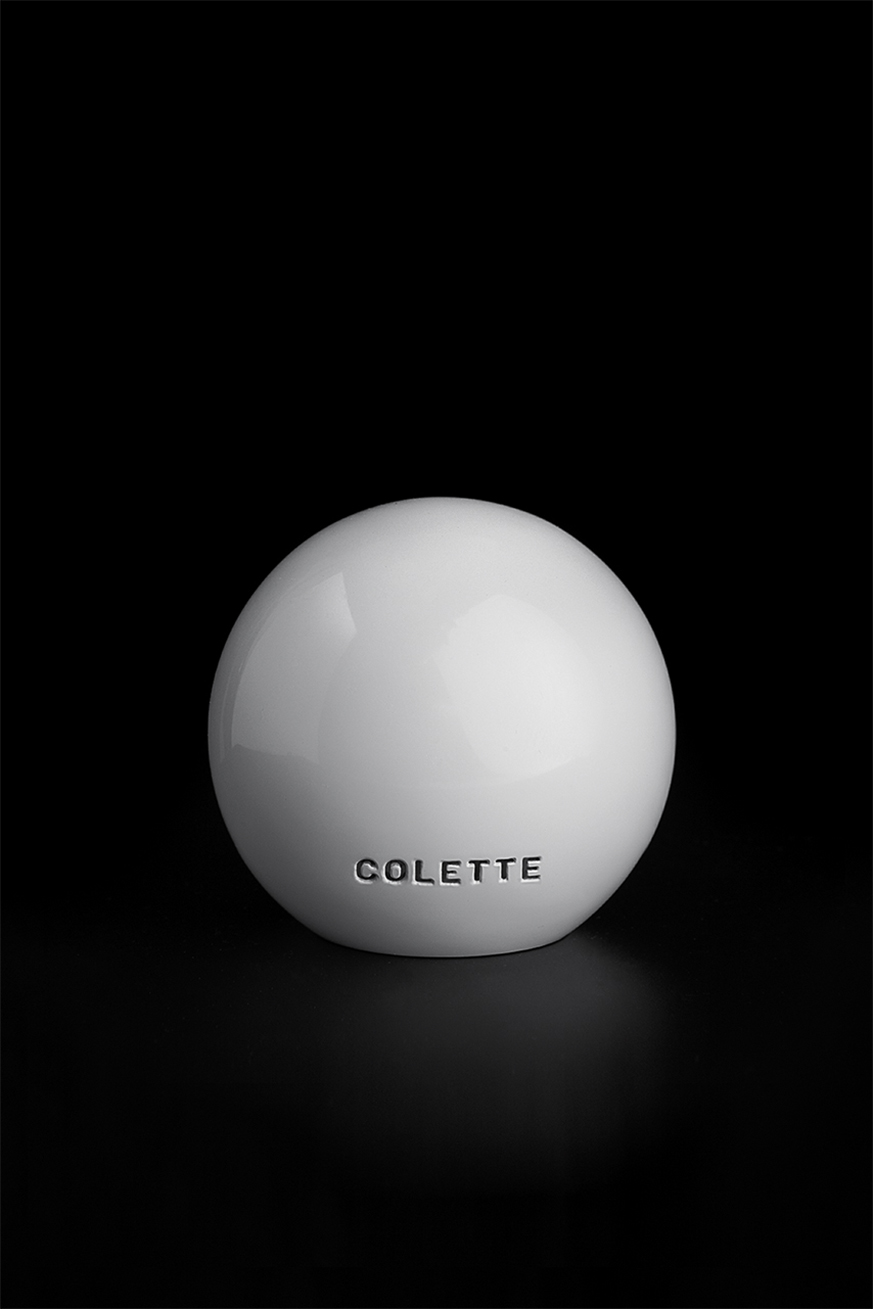
Appendix: obiekty 3D / 2020
Appendix: 3D objects / 2020
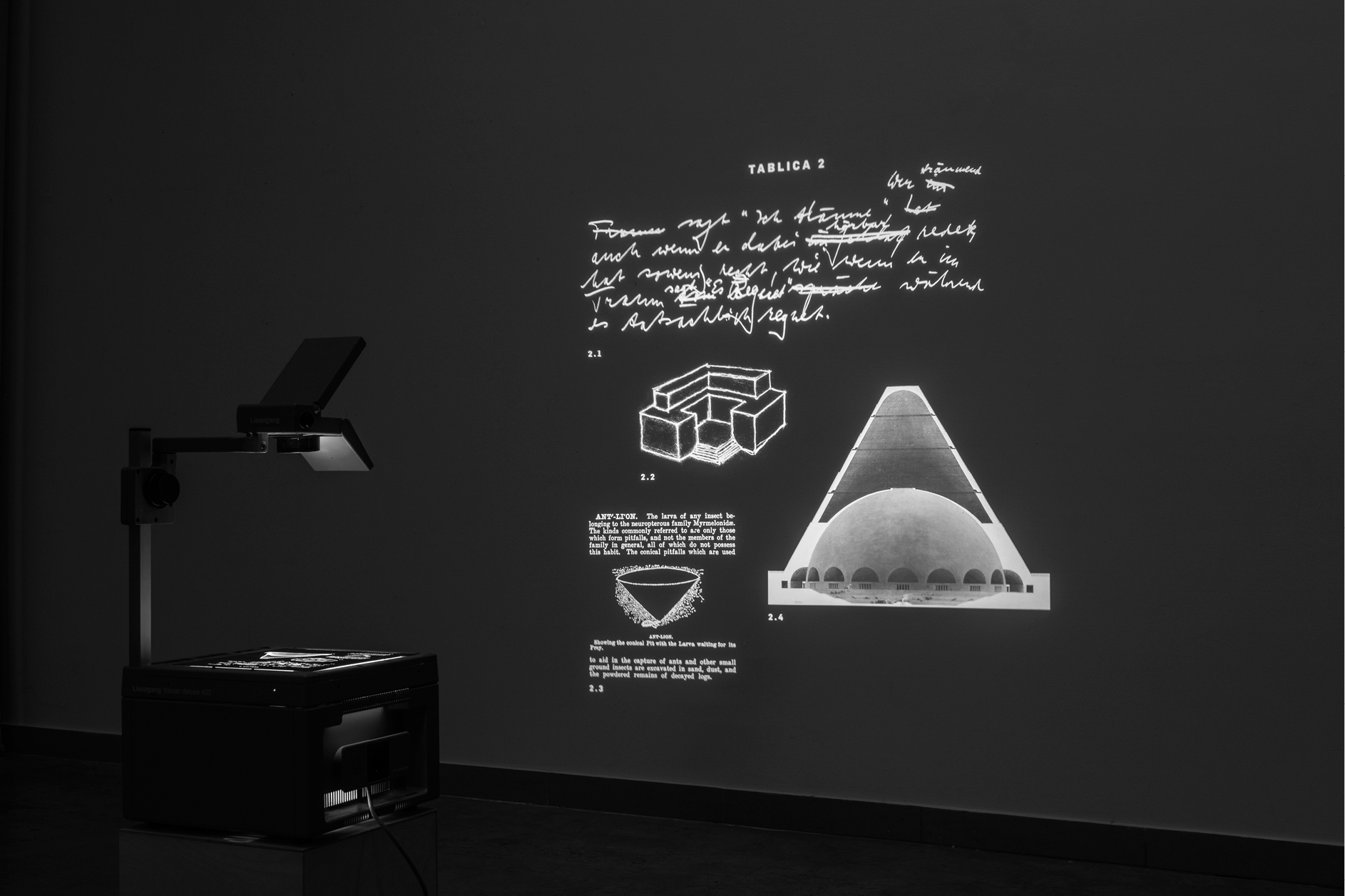
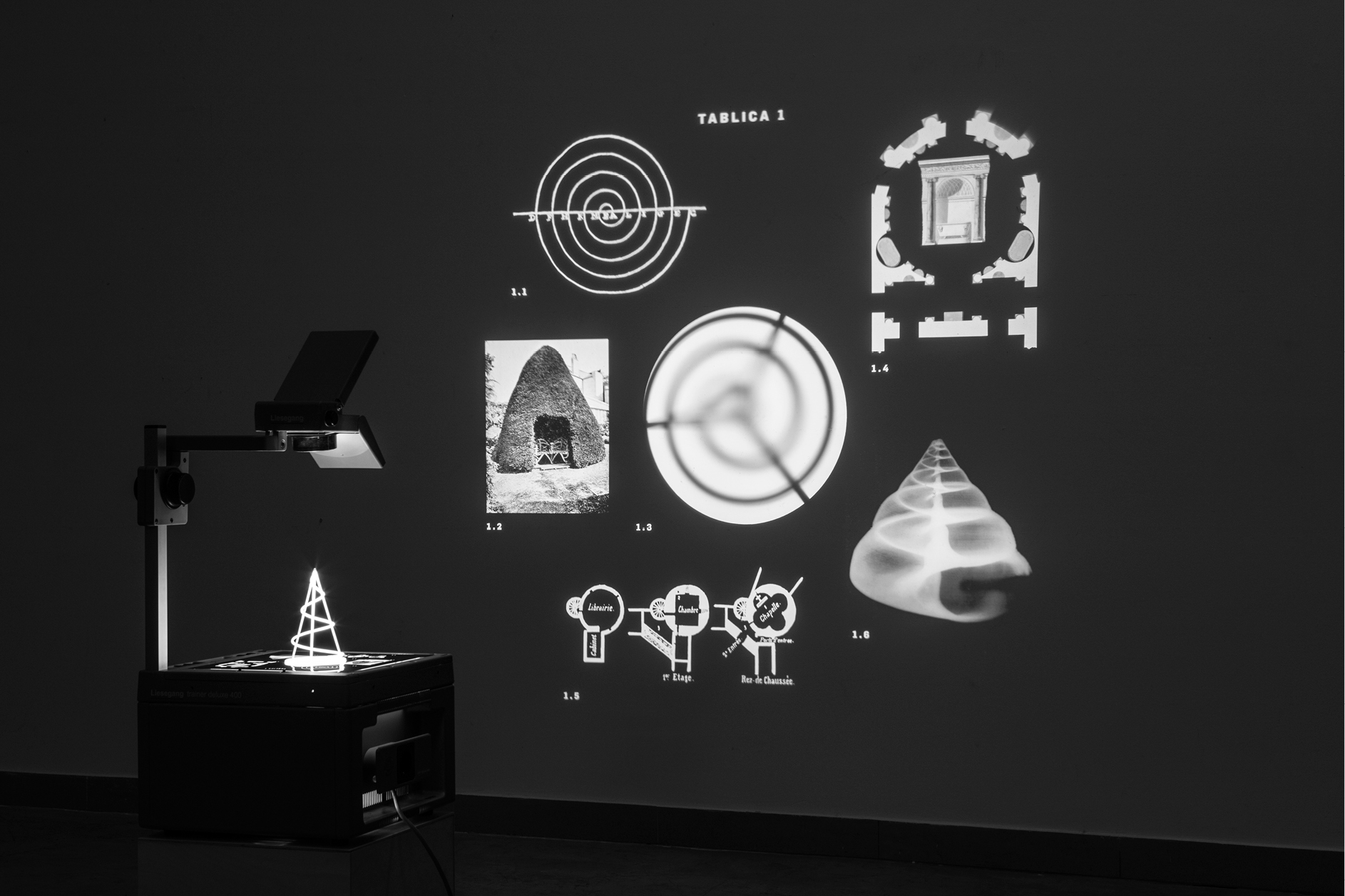
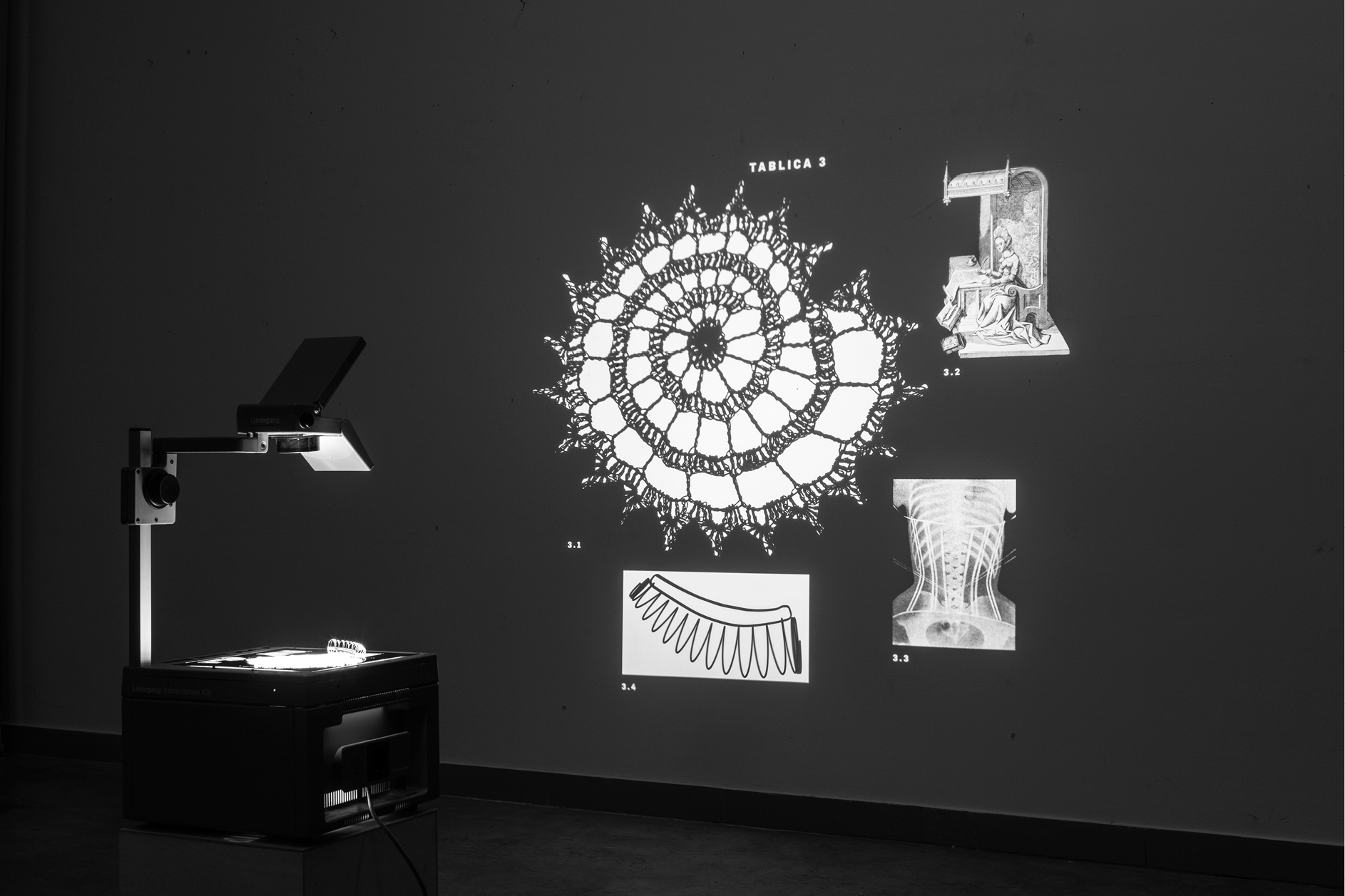


Esej wizualny poprzedzający powstanie książki / 2019
Epidiaskopy (projekcje), klisze, obiekty,
komentarze odautorskie (wydruki)
Visual essay preceding the book / 2019
Epidiascopes (projections), photographic films, objects,
Author’s comments (print-outs)
Epidiascopes (projections), photographic films, objects,
Author’s comments (print-outs)

Mapa myśli (tablica kredowa) / Mind map (chalkboard) / 2019–2020